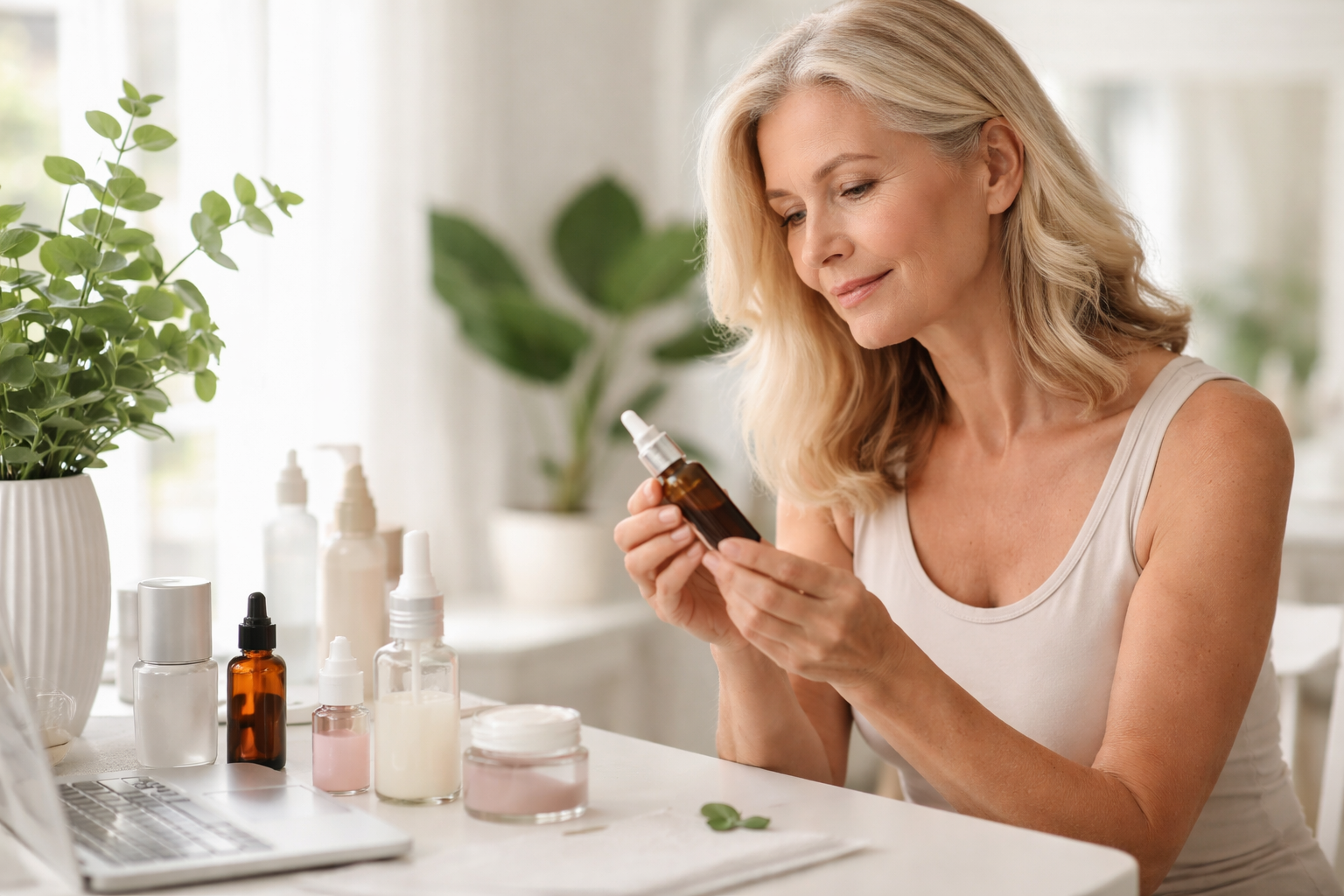

I’ve seen mature skin routines swing between two extremes. Either they’re overloaded with strong actives that leave skin irritated, or they’re too gentle to make a visible difference. The sweet spot usually sits somewhere in the middle. That’s exactly where a peptide serum for mature skin fits in.
Peptides don’t scream for attention like retinol or exfoliating acids. They work quietly. When chosen correctly, they support firmness, elasticity, and overall skin resilience without triggering unnecessary dryness. The key isn’t just buying any peptide serum. It’s knowing which type of peptide matches your specific aging concern.
Why Peptides Matter as Skin Matures

As skin ages, collagen production declines and structural support weakens. That’s when sagging, deeper wrinkles, and thinning become more noticeable. Peptides are short chains of amino acids that signal skin to perform specific functions. Some encourage collagen production. Others relax muscle movement or protect existing structure.
Unlike aggressive resurfacing ingredients, peptides typically strengthen rather than stress the skin barrier. That makes them ideal for mature skin that may already feel drier or more sensitive.
Still, not all peptides deliver the same results.
Key Peptide Types for Mature Skin
Choosing the right peptide serum for mature skin starts with understanding the categories that matter most.
Signal Peptides (Matrixyl 3000, Synthe’6)
Signal peptides tell the skin to produce more collagen and elastin. Over time, this can improve firmness and reduce wrinkle depth. If your concern is sagging along the jawline or loss of density in the cheeks, this category deserves attention.
These peptides focus on rebuilding structure from within.
Neuropeptides (Argireline / Acetyl Hexapeptide-8)
Neuropeptides target dynamic wrinkles caused by repeated muscle movement. Think forehead lines and crow’s feet. They help soften expression lines by limiting muscle contraction at the surface level.
They don’t freeze your face, but they can gradually reduce the intensity of repetitive creasing.
Copper Peptides (Carrier Peptides)
Copper peptides support regeneration and repair. They’re especially helpful if mature skin shows signs of sun damage or thinning. They also contribute to improved skin density and resilience over time.
Enzyme Inhibitor Peptides
These peptides help prevent collagen breakdown by blocking enzymes that degrade existing structure. If your goal is maintenance and prevention, this category supports long-term skin strength.
Recommended Peptide Serums Worth Considering
Formulation matters just as much as peptide type. A well-rounded serum blends multiple peptides with supportive ingredients.
The Ordinary Multi-Peptide + Copper Peptides 1% Serum
Best for comprehensive repair and overall skin health. It combines Matrixyl complexes with copper peptides to target firmness, texture, and resilience at once. The texture feels lightweight but is still hydrating enough for mature skin.
Medik8 Liquid Peptides
Best for high-potency anti-aging support. It features a concentrated peptide blend designed to smooth fine lines and improve hydration levels. The formula absorbs cleanly without heaviness.
COSRX The 6 Peptide Skin Booster Serum
Best for improving texture and layering under other treatments. It contains multiple peptides in a lightweight formula that doesn’t feel sticky. It works well for those who prefer thinner textures.
Paula’s Choice Pro-Collagen Multi-Peptide Booster
Best for targeted firming and sensitive mature skin. The fragrance-free formula focuses on strengthening the skin’s supportive structure without causing irritation.
Each of these options addresses different needs, so the right choice depends on your primary concern.
Factors to Consider Before Buying

Even the best peptide serum for mature skin won’t perform well if the formulation misses supporting elements. Keep these practical details in mind:
- Look for complementary ingredients like hyaluronic acid for hydration or niacinamide for barrier support. These improve overall performance.
- Choose airless pumps or opaque bottles. Peptides degrade when exposed to light and air.
- Pay attention to texture. Mature skin often prefers slightly milky or hydrating serums over ultra-thin formulas.
- Stay consistent. Hydration improvements may appear quickly, but structural changes like firmness usually take two to three months.
Patience plays a big role in seeing results.
How to Use Peptide Serums in a Routine
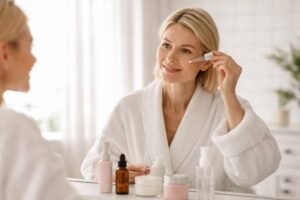
Apply peptide serum after cleansing and before heavier creams. If you use retinol, peptides typically layer well alongside it and may help reduce dryness.
Morning and evening application works best for most people. If your skin feels reactive, start once daily and build up gradually.
Peptides are not quick-fix ingredients. They reward steady, long-term use.
Frequently Asked Questions (FAQs)
1. What makes a peptide serum for mature skin effective?
An effective formula contains signal or copper peptides in stable packaging and pairs them with hydrating or barrier-supporting ingredients.
2. Can peptides replace retinol in a routine?
Peptides support firmness and structure, but they work differently from retinol. Some people use both for complementary benefits.
3. How long before I see visible changes?
Hydration may improve within days. Firmer texture and reduced wrinkle depth typically require 8 to 12 weeks of consistent use.
4. Are multi-peptide formulas better than single-peptide serums?
Multi-peptide formulations can address multiple aging concerns at once. However, effectiveness depends on concentration and overall formulation quality.
Final Thoughts
Choosing the right peptide serum for mature skin isn’t about picking the most expensive bottle or the one with the longest ingredient list. It’s about matching peptide type to your real concerns. Signal peptides rebuild structure. Neuropeptides soften expression lines. Copper peptides support repair. When you understand the difference, the decision becomes strategic instead of overwhelming.
The best results come from consistency and realistic expectations. Peptides won’t transform skin overnight, but with regular use, they can gradually restore strength and resilience where it matters most.