
If you’re exploring the concept of “Moving Spaces” from Beige LR’s journal, you’re stepping into something deeper than fashion or interiors. This is not just about physical movement—it’s about how spaces, identity, and personal style evolve together.
At its core, “moving spaces” reflects a transition. It captures the idea that as we move through life—whether physically relocating, changing routines, or evolving personally—our environment and the way we express ourselves change too.
In this guide, I’ll break down what “Moving Spaces” represents, how it connects to fashion and lifestyle, and how you can apply this concept to your own space and wardrobe.
Key Takeaways (Quick Summary)
- “Moving spaces” reflects transitions in life, identity, and environment
- Personal style evolves alongside physical and emotional changes
- Minimalism and intentional design play a key role
- Clothing and space both influence how you feel and function
- Adapting to change creates a more meaningful lifestyle
What “Moving Spaces” Really Means
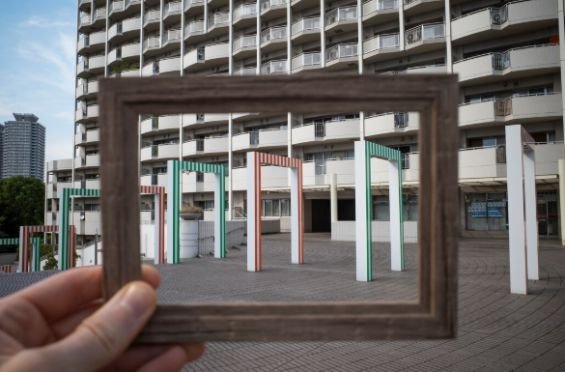
The idea of moving spaces is not limited to physically changing locations. It’s about how movement—whether emotional, creative, or physical—reshapes the way you experience your surroundings.
Movement has long been associated with transformation, influencing how people perceive spaces and places over time.
In the context of Beige LR, this concept blends fashion, interiors, and lifestyle into one narrative. It suggests that your space is not static—it grows with you.
This could mean moving homes, redesigning your living space, or simply redefining your personal style.
1. How Spaces Influence Personal Identity
Your environment has a direct impact on how you feel and present yourself.
When your space is cluttered or disconnected from your personality, it can affect your mood and productivity. On the other hand, a well-curated space creates a sense of calm and clarity.
This is why minimalist and intentional design is often emphasized. It allows you to focus on what truly matters, both in your surroundings and in your daily life.
In many ways, your space becomes an extension of who you are.
2. The Connection Between Fashion and Space
One of the most interesting aspects of “Moving Spaces” is how it connects fashion with interiors.
Your wardrobe and your living space follow similar principles:
- Both reflect your personality
- Both evolve over time
- Both benefit from simplicity and cohesion
For example, a neutral-toned wardrobe often aligns with a calm, minimal interior aesthetic. This creates consistency in how you express yourself.
Instead of treating fashion and space as separate, this concept encourages you to see them as interconnected.
3. Embracing Change Through Movement
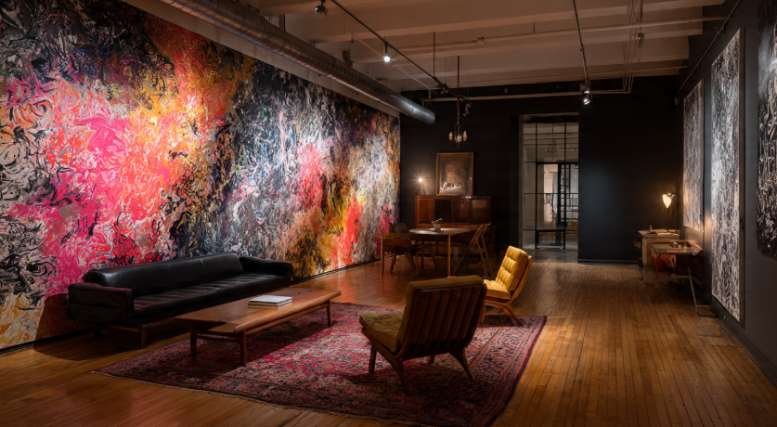
Change is often uncomfortable, but it is also necessary.
Moving spaces highlights the importance of embracing transitions rather than resisting them. Whether you’re moving to a new home, changing your lifestyle, or redefining your style, each shift brings new opportunities.
Instead of trying to maintain the same environment or identity, you can adapt and refine your surroundings to match your current phase of life.
This approach creates a more flexible and resilient mindset.
4. Minimalism as a Foundation
Minimalism plays a central role in the idea of moving spaces.
It’s not about having less for the sake of it. It’s about removing what no longer serves you so that your space and wardrobe feel intentional.
When you reduce excess, you create room for clarity. This applies to both physical spaces and personal style.
A simplified environment allows you to focus on quality over quantity, which leads to more meaningful choices.
5. How to Apply “Moving Spaces” to Your Life
You don’t need to completely redesign your home or wardrobe to embrace this concept.
You can start small by:
- Decluttering items you no longer use
- Choosing versatile clothing pieces
- Creating a cohesive color palette
- Rearranging your space for better functionality
These small changes can make a significant difference in how your space feels and functions.
Over time, you’ll notice that your environment becomes more aligned with your lifestyle.
6. The Role of Emotional Connection in Spaces
Spaces are not just physical—they are emotional.
The objects you keep, the colors you choose, and the way you arrange your space all contribute to how you feel.
Moving spaces encourages you to build environments that support your emotional well-being. This could mean creating a calm corner for relaxation or designing a workspace that boosts productivity.
When your space supports your emotions, it enhances your overall quality of life.
7. Common Mistakes to Avoid
Many people struggle with adapting their spaces effectively.
One common mistake is holding onto items that no longer serve a purpose. This creates clutter and prevents growth.
Another mistake is copying trends without considering personal needs. Your space should reflect your lifestyle, not just aesthetics.
You should also avoid making drastic changes without planning. Gradual adjustments often lead to better, more sustainable results.
8. Why “Moving Spaces” Matters Today
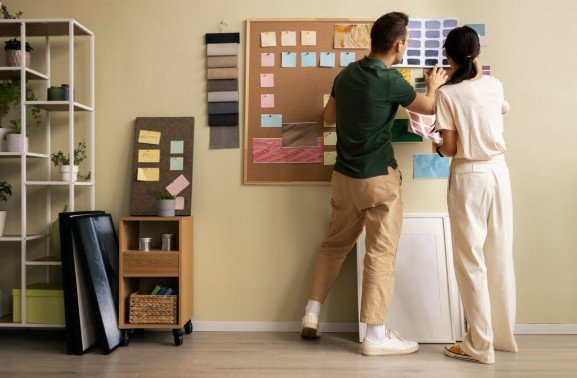
In today’s fast-paced world, change is constant.
People move cities, shift careers, and redefine their lifestyles more frequently than ever. The concept of moving spaces helps you navigate these changes with intention.
Instead of feeling overwhelmed, you can use these transitions as opportunities to refine your environment and identity.
This makes your space more than just a place—it becomes a reflection of your journey.
Frequently Asked Questions
1. What does “moving spaces” mean?
It refers to the idea that spaces and personal identity evolve through movement and change.
2. How does space affect personal style?
Your environment influences your mood, preferences, and how you express yourself.
3. Is minimalism necessary for this concept?
Minimalism helps, but the focus is on intentional living rather than strict rules.
4. Can you apply this without moving homes?
Yes, even small changes in layout, design, or wardrobe can reflect this idea.
5. Why is this concept important?
It helps you adapt to change and create spaces that align with your evolving lifestyle.
Create Spaces That Grow With You
“Moving Spaces” is ultimately about growth. It’s about allowing your environment, style, and identity to evolve naturally over time.
You don’t need to rush the process. Start with small changes, stay intentional, and let your space reflect who you are becoming.
When your surroundings align with your journey, everything feels more connected, balanced, and meaningful.