
The fashion industry has always been in flux, but the changes we’ll see by 2030 will be more groundbreaking than ever. Imagine stepping out in clothes that adapt to your environment, are entirely sustainable, and are personalized to fit your body like a glove. Sounds futuristic, right?
But this is exactly the direction fashion is heading as we approach the next decade. In this post, we’ll explore the innovations and trends that will define future fashion in 2030, from sustainable wardrobes to wearable technology and adaptive styles.
How Will Sustainability Define Fashion in 2030?
Sustainability isn’t just a buzzword anymore—it’s becoming the backbone of the fashion industry. As we move toward 2030, we’ll see eco-friendly practices dominate every aspect of fashion, from materials to manufacturing.
Sustainable & Circular Wardrobes
By 2030, sustainability will have transitioned from a niche trend to an industry standard. Consumers will be more conscientious than ever, pushing brands to adopt eco-friendly materials like organic cotton, hemp, bamboo, and plant-based leathers (think cactus, apple, and pineapple leather). With concerns over plastic waste rising, expect more clothing made from recycled textiles and biodegradable materials that will replace harmful, fossil-fuel-based fabrics.
Circular Fashion Models
The circular fashion model will be widespread by 2030. This means clothing will be made to last longer, be easily repaired, and eventually be recycled. Renting clothes will become mainstream, and platforms for second-hand resale will see a major increase, with some experts predicting that 60% of wardrobes could be second-hand by the time 2030 rolls around. This trend will promote conscious consumption, with consumers prioritizing quality over quantity.
What Technological Innovations Will Shape Fashion in 2030?
Technology will not only change how clothes are made but also how we shop and wear them. Prepare for fashion to become more integrated with wearable tech, 3D printing, and augmented reality.
Technology-Integrated Apparel
In 2030, we’ll be wearing smart textiles that do far more than look good. Imagine clothing that can monitor your heart rate, stress levels, or temperature. Electrochromic fabrics will allow garments to change colors and patterns based on your mood or the surrounding environment. This will blend fashion with health and wellness, making clothes not only stylish but functional.
Personalization & On-Demand Production

Forget mass production—3D printing and body-scanning technology will revolutionize fashion. By 2030, you’ll be able to design clothing that fits your exact body shape, reducing waste in the process. Artificial intelligence (AI) will also help create personalized styles based on your preferences, ensuring that each piece is uniquely yours.
Digital Fashion & Virtual Clothing
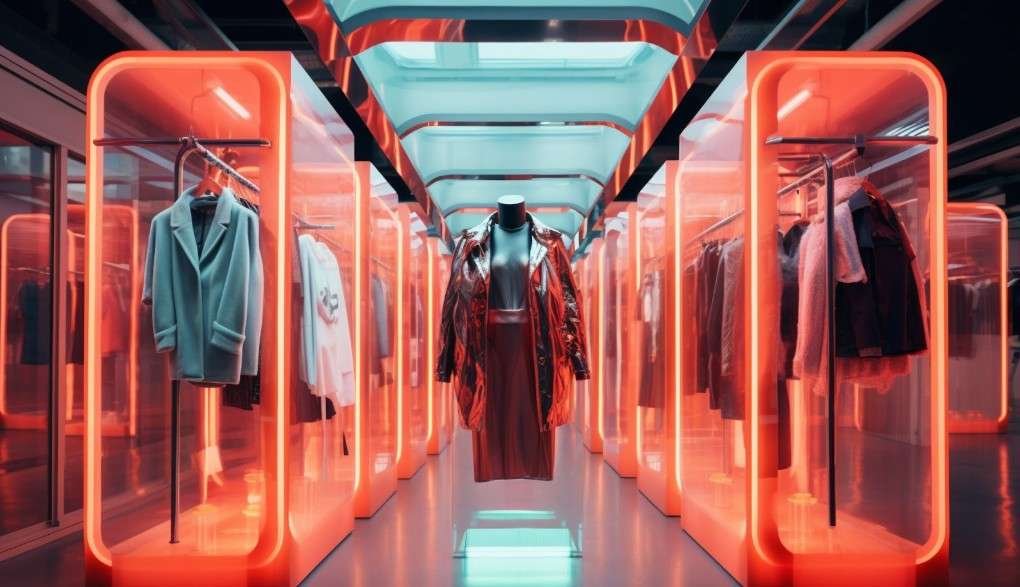
Fashion won’t just exist in the physical world. By 2030, digital fashion will be an essential part of our lives, with people purchasing virtual outfits for their avatars in online spaces. Augmented reality (AR) apps and smart mirrors will allow us to try on clothes virtually, blurring the lines between physical and virtual shopping in a trend we call phygital fashion.
How Will Fashion Be More Inclusive and Adaptive in 2030
Fashion is becoming more about personal expression and inclusivity. The traditional barriers of size, gender, and age will fade as we move into a future where everyone’s unique needs are considered.
Adaptive & Inclusive Design
By 2030, inclusive design will be everywhere. Fashion will cater to all body types, genders, abilities, and ages. Think clothing with easy-to-use closures for people with limited mobility or gender-fluid lines that don’t conform to outdated norms. Designers will make sure that everyone, regardless of their background or needs, feels represented and seen in the world of fashion.
Versatile & Modular Clothing

Forget having a separate wardrobe for different seasons. By 2030, clothes will be multi-functional, especially with the rise of gender neutral fashion. Jackets with removable linings or reversible dresses will allow us to adapt to changing climates or different situations. Instead of the traditional seasonal collections, fashion will lean into versatility, offering clothes that can be worn year-round, in a variety of settings, with minimal impact on the planet.
Resurgence of Past Aesthetics
The future of fashion will also see a resurgence of styles from the past. Expect a mix of 90s and early 2000s aesthetics, but with a modern twist. From the form-fitting designs of the 2010s to vintage prints updated with sustainable materials and tech-infused fabrics, past aesthetics will be reimagined to fit into the 2030s fashion landscape.
Start Preparing for Fashion in 2030 Today
It’s never too early to start embracing the trends that will define the future of fashion. Here’s how you can get ready for 2030’s fashion revolution.
Invest in Quality Over Quantity
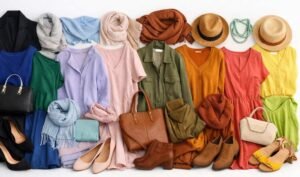
Start by buying fewer, but better-made, clothes. Focus on sustainable brands that prioritize eco-friendly fashion materials. Think of pieces that will last long enough to withstand the test of time, whether in terms of durability or classic style. By investing in quality, you’ll be ahead of the curve when the 2030 fashion trends kick in.
Explore Smart & Sustainable Fashion
While tech-integrated clothing is not yet mainstream, you can find early versions of wearable tech (like fitness trackers woven into garments). Start looking for clothes made from sustainable materials, and try to build a modular wardrobe that adapts to different situations. This will make sure your closet is ready for the future without you having to wait another decade.
Try Virtual Shopping Experiences

As augmented reality apps and digital fashion grow, you’ll likely find yourself trying on clothes in a virtual space. Download apps that let you virtually try on clothes or shop through digital platforms that focus on sustainable fashion. The future of shopping is both physical and digital, and getting comfortable with both will set you up for success.
Frequently Asked Questions
1. Will sustainable fashion be affordable by 2030?
As the demand for sustainable materials grows and technology advances, the cost of eco-friendly fashion will likely decrease. By 2030, sustainable fashion will become more affordable, and as consumers prioritize quality over quantity, it will become the industry standard.
2. How will technology in clothing work by 2030?
In 2030, smart textiles will monitor health, regulate temperature, and even change color based on your mood or environment. These technology-integrated garments will also help reduce waste, making fashion more sustainable and personalized.
3. Will fashion trends in 2030 still be seasonal?
Fashion trends in 2030 will move away from rigid seasonal collections. Expect modular clothing that can be adapted to different climates or needs, and versatile garments that last year-round, making the concept of traditional seasons irrelevant.
The Future of Fashion Is Just Around the Corner
As we head toward 2030, fashion will evolve in ways that are as exciting as they are sustainable. The fusion of technology and eco-friendly materials will change the way we wear, buy, and think about clothing. The future of fashion will be personalized, inclusive, and adaptable, offering a wardrobe that can evolve with us.
If you’re looking to be ahead of the curve, start investing in quality clothing, sustainable fabrics, and exploring smart textiles today. Embrace the future now, and get ready to enjoy the 2030 fashion revolution—it’s going to be stylish, smart, and sustainable!