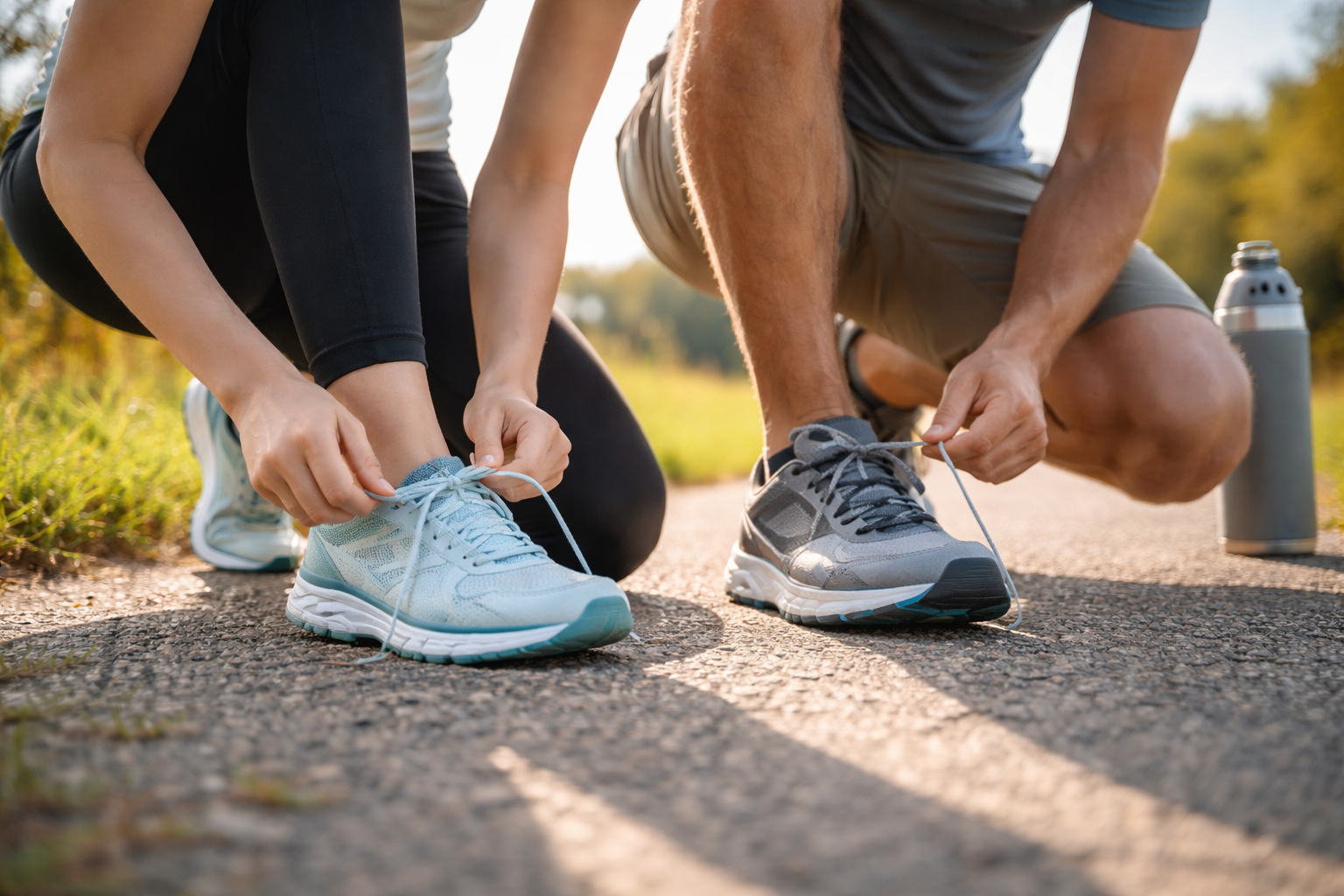

I still remember the first time I tried zero-drop shoes. I expected instant foot freedom. What I got instead was sore calves and a strong urge to go back to my old cushioned trainers. The problem wasn’t zero drop. It was how I approached it.
Most beginners don’t need ultra-thin barefoot shoes right away. They need a middle ground. The most comfortable zero-drop shoes for beginners are the ones that keep your heel and forefoot level while still giving you enough cushioning to soften pavement and gym floors. That balance makes all the difference.
What “Zero Drop” Really Means (And Why It Feels Different)
Zero drop simply means there’s no height difference between your heel and forefoot. Traditional sneakers often have a raised heel. That heel-to-toe drop subtly shifts your posture and loading pattern.
When you switch to flat sole shoes for natural movement, your alignment changes. Your calves and Achilles take on more work. Your stride may naturally shorten. Over time, many people report better natural foot alignment and stronger lower legs. But in the beginning, that adjustment period is real.
That’s why cushioning matters.
The Sweet Spot: Cushioned Zero Drop Shoes
If you’re transitioning from traditional running or walking shoes, you don’t want to feel every pebble. Cushioned zero-drop shoes mimic the comfort of standard sneakers while maintaining a flat platform.
Best Cushioned Options for Daily Comfort
These models are often recommended as zero-drop beginner shoes because they protect your feet while you adapt.
Altra Torin 8
A common starting point for new users. It offers generous foam cushioning, a padded tongue, and a structured heel collar. The wide toe box allows your toes to spread naturally, which improves balance and comfort for walking or running.
Altra Escalante 4
More flexible and slightly lighter than the Torin. The engineered knit upper feels almost sock-like. It’s a solid choice if you want moderate cushioning without feeling bulky.
Altra VIA Olympus 2
This is max cushion territory. The thick foam platform and subtle rocker shape help your foot roll forward smoothly. It works well for long walks, standing all day, or higher-mileage training.
Topo Athletic Magnifly 5
A popular alternative with a roomy toe box and a cushioned feel. Some users find the fit less clunky than traditional maximalist models. It’s a strong option for road running or gym sessions.
These shoes fall into the category of cushioned zero-drop shoes that reduce the shock factor for beginners.
“Barefoot-Lite” Options for More Ground Feel
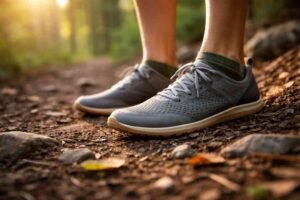
Once you feel comfortable with moderate cushioning, you may want something closer to minimalist shoes but not fully barefoot.
Xero Shoes Prio
Versatile enough for the gym, casual wear, and light runs. It includes a removable 3mm insole. Keep it in during your transition. Remove it later if you want a thinner feel.
Lems Primal Zen
Known for an extra-wide, square toe box. If you have wide feet or feel cramped in traditional sneakers, this design can feel instantly relieving.
Feelgrounds Move
Lightweight, breathable, and visually clean. Many people like them for everyday wear because they look like casual sneakers but still support natural foot positioning.
These models offer foot-strengthening footwear without jumping straight into ultra-thin soles.
Budget-Friendly Starter Shoes
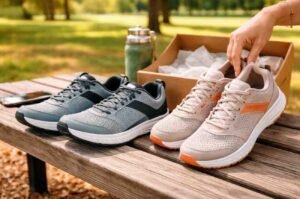
If you’re curious but not ready to spend premium money, there are entry-level options that let you test zero heel-to-toe drop benefits first.
Within Barefoot Sneakers
Often praised for value. They include a removable 5mm insole and a wide toe box, which helps beginners ease into a flatter platform.
Saguaro Vitality III
Flexible, quick-drying, and grippy. Good for gym workouts and light outdoor sessions.
Affordable shoes won’t always match premium foam or durability, but they’re a low-risk way to experiment with minimalist shoes and wide toe box designs.
Comfort Isn’t Just About Cushioning
Many beginners assume discomfort means the shoe is wrong. Often, it’s just your body adapting.
Here’s what actually makes zero-drop shoes for beginners feel comfortable long-term:
- Gradual transition instead of an overnight switch
- Calf and Achilles stretching to reduce tightness
- Shorter stride length, especially when running
- Rotating shoes instead of wearing zero-drop shoes all day immediately
If you currently run or walk long distances in high-drop shoes, start with 20-30 minute sessions. Let your muscles adapt. Rushing is where most problems begin.
Who Should Be Extra Cautious?
If you have chronic Achilles issues, plantar fasciitis flare-ups, or long-standing knee pain, don’t switch aggressively. Zero-drop shoes change gait mechanics. For some, that’s beneficial. For others, it requires careful adjustment.
Walkers, runners, and gym lifters can all use zero-drop footwear successfully. The key is respecting the adaptation phase.
Frequently Asked Questions (FAQs)
1. Are zero-drop shoes good for beginners?
Yes, if you transition gradually. Beginners often benefit from cushioned zero-drop models instead of ultra-thin barefoot styles.
2. Do zero-drop shoes help with posture?
Because there’s no heel lift, they encourage a more neutral alignment. Over time, this can improve natural foot alignment and reduce forward tilt caused by elevated heels.
3. Can I lift weights in zero-drop shoes?
Absolutely. Many lifters prefer flat platforms because they provide better stability during squats and deadlifts compared to heavily cushioned running shoes.
4. How long does it take to adjust to zero-drop shoes?
Most people need a few weeks of gradual use. Calf tightness is common early on but usually decreases as strength improves.
Final Thoughts
Zero-drop shoes for beginners don’t have to feel harsh or extreme. The right pair should feel stable, balanced, and surprisingly natural once your body adapts. The real mistake isn’t choosing zero drop. It’s jumping into the deepest end of minimalism without preparation. Start with cushioning. Respect the transition. Let your lower legs strengthen over time. Comfort builds when patience leads the way.
Flat doesn’t mean unforgiving. It means aligned. And when you approach it wisely, it can change how your entire body moves.