
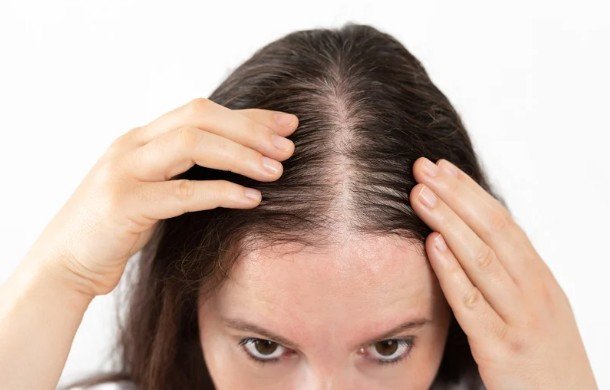

If you’ve been staring at your hairbrush, shower drain, or part line wondering, why is my hair thinning? you’re not alone. I asked myself that exact question a few years ago. My ponytail felt smaller. My scalp looked more visible under bright bathroom lights. And suddenly, I couldn’t ignore it anymore.
Hair thinning doesn’t happen overnight. It creeps in quietly. But the good news? Most causes are identifiable and many are treatable. Let me walk you through what I learned about thinning hair causes, treatment options, and when you should see a doctor.
What Does Hair Thinning Really Mean?
Before I panicked, I had to understand the difference between normal hair shedding and actual thinning hair.
On average, we lose 50 to 100 strands per day. That’s normal hair loss. Thinning hair, however, happens when hair density gradually decreases and new growth doesn’t replace what’s shedding.
If you notice:
- A widening part
- A smaller ponytail
- More visible scalp
- Overall volume loss
You may be experiencing hair thinning rather than routine shedding.
Why Is My Hair Thinning All of a Sudden?
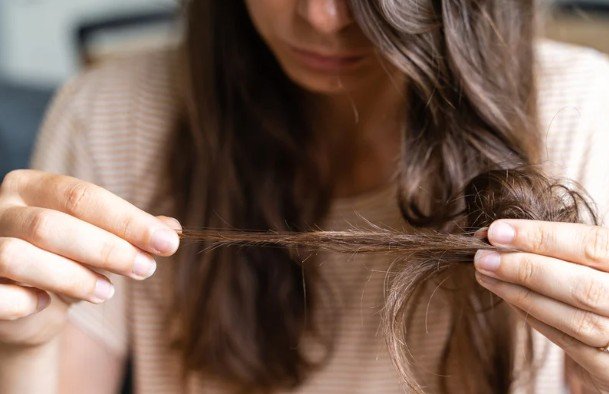
When I started researching, I discovered there isn’t just one answer to “why is my hair thinning?” There are multiple possible causes.
1. Genetics (Androgenetic Alopecia)
The most common reason for thinning hair in men and women in the US is androgenetic alopecia, also known as male or female pattern hair loss.
If your parents experienced hair thinning, your odds increase. This type of hair loss typically:
- Develops gradually
- Follows predictable patterns
- Affects the crown or hairline
Genetics play a bigger role than many of us want to admit.
2. Hormonal Changes and Imbalances
Hormones significantly affect hair growth. Common hormonal triggers include:
- Pregnancy and hair loss in new moms
- Menopause
- Thyroid disorders
- Polycystic ovary syndrome (PCOS)
When estrogen drops or thyroid levels fluctuate, hair growth cycles shorten. That leads to noticeable thinning. I had my thyroid tested early in my journey. It’s one of the first labs most US doctors recommend.
3. Stress and Telogen Effluvium
I learned about telogen effluvium, a stress-related condition that pushes hair follicles into the shedding phase prematurely. Major triggers include:
- Surgery
- Illness
- Rapid weight loss
- Emotional stress
- COVID-related illness
Hair shedding often appears 2–3 months after the stressful event. The upside? It’s usually temporary.
4. Nutrient Deficiencies and Diet
Hair needs nutrients to grow.
Low levels of:
- Iron
- Vitamin D
- Zinc
- Biotin
- Protein
can contribute to hair thinning.
I didn’t realize how common iron deficiency is among women in the US. A simple blood test can identify deficiencies. Fixing diet-related hair thinning takes patience, but it works.
5. Overstyling and Hair Damage
Heat styling, tight hairstyles, bleach, and chemical treatments can damage hair follicles. Traction alopecia, caused by tight ponytails or braids, can permanently affect hair growth if ignored. If your scalp feels sore or inflamed, your styling habits might be contributing to thinning.
6. Medical Conditions and Autoimmune Disorders
Certain conditions cause hair thinning, including:
- Alopecia areata symptoms
- Lupus
- Scalp infections
- Chronic illnesses
If you notice patchy hair loss or scalp irritation, consult a dermatologist promptly.
When Should I See a Doctor for Thinning Hair?
I asked myself this question repeatedly. Here’s when you should seek medical advice:
- Sudden or rapid hair loss
- Patchy bald spots
- Itchy, painful, or inflamed scalp
- Hair loss with fatigue or weight changes
- Hair thinning before age 30 without family history
A board-certified dermatologist can perform a scalp exam and order blood work. In the US, most insurance plans cover hair loss evaluation if medically necessary.
What Treatments Actually Work for Thinning Hair?

Once I understood the cause, I focused on treatment options backed by science.
FDA-Approved Treatments
Minoxidil (Rogaine)
Available over the counter in the US, minoxidil stimulates hair follicles and prolongs the growth phase.
Finasteride (for men)
A prescription medication that blocks DHT, the hormone linked to male pattern baldness. Consistency matters. Hair regrowth takes 3–6 months.
Lifestyle Adjustments That Help
I improved my hair health by:
- Increasing protein intake
- Taking iron and vitamin D supplements (after testing)
- Reducing heat styling
- Managing stress through exercise
- Sleeping 7–8 hours nightly
Hair responds to internal health. It reflects what’s happening inside your body.
Professional Treatments
Dermatology clinics now offer:
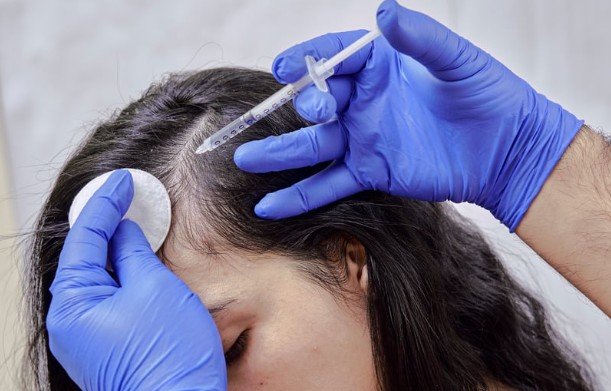
- Platelet-rich plasma (PRP) injection
- Low-level laser therapy
- Prescription-strength topical treatments
These treatments cost more but can provide measurable improvement.
Can Hair Thinning Be Reversed?
This depends on the cause.
- Stress-related thinning often reverses.
- Nutrient deficiency hair loss improves with correction.
- Genetic hair loss can be slowed but not fully reversed.
- Traction alopecia may become permanent if untreated.
Early action gives you the best chance of regrowth.
How I Protect My Hair Today
After asking “why is my hair thinning?” I changed how I approach hair care.
- Wash with gentle sulfate-free shampoo
- Massage my scalp regularly
- Avoid tight hairstyles
- Monitor stress levels
- Stay consistent with treatment
Small habits create visible change over time.
Frequently Asked Questions
3. Why Is My Hair Thinning Even Though I’m Healthy?
Even healthy individuals can experience hair thinning due to genetics or hormonal fluctuations. Subtle thyroid imbalances or nutrient gaps may also contribute.
2. Does Stress Really Cause Hair Loss?
Yes. Stress can trigger telogen effluvium, leading to increased shedding a few months after a stressful event. Most cases improve within 6–9 months.
3. Can Vitamins Stop Hair Thinning?
Vitamins help only if a deficiency exists. Blind supplementation won’t fix genetic hair loss, but correcting iron or vitamin D deficiency can significantly improve hair density.
4. Is Hair Thinning Permanent?
Not always. It depends on the cause. Temporary shedding often reverses, while genetic hair loss typically requires ongoing treatment.
Final Thoughts
If you’re asking yourself, why is my hair thinning? start with facts, not fear. Focus on identifying the real cause instead of guessing. Get basic lab work done if needed and consult a dermatologist for proper guidance. Take action early and stay consistent with your treatment plan.
Remember that hair regrowth takes time, so be patient with the process. Support your scalp with healthy habits, balanced nutrition, and stress management. Track your progress month by month instead of day by day. Once I followed a clear, steady plan and stayed committed, I finally began to see real, lasting improvement.