

Building a sustainable wardrobe changed the way I shop, dress, and think about fashion. Instead of chasing trends at the mall or adding random sale items to my cart, I now focus on quality, durability, and versatility. When I started researching must-have sustainable basics for American women, I realized the goal isn’t to own more — it’s to own better.
In the US, where fast fashion dominates and closets overflow, creating a capsule wardrobe built on eco-friendly clothing makes financial and environmental sense. By investing in timeless fashion staples made from organic cotton, linen, hemp, and recycled materials, I built a closet that works year-round across different climates — from humid summers to cold northern winters.
Here’s exactly how I approach it.
Why Sustainable Wardrobe Essentials Matter in the US
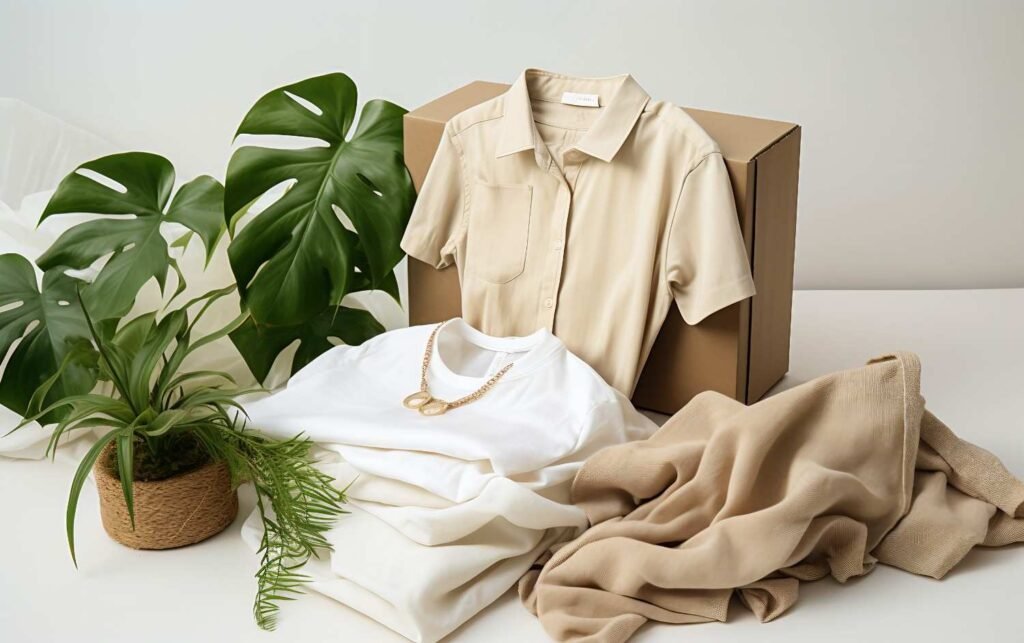
Americans discard millions of tons of textiles every year. Much of it comes from low-cost, trend-driven clothing that loses shape or quality quickly. Prioritizing high-quality sustainable wardrobe essentials reduces waste and saves money long term.
For me, sustainability means:
- Choosing slow fashion over fast fashion
• Supporting ethical fashion brands
• Investing in durable, versatile pieces
• Reducing impulse buying
A thoughtful capsule wardrobe gives me more outfit combinations with fewer items. It simplifies mornings and reduces decision fatigue.
Essential Basics and Eco-Friendly Materials
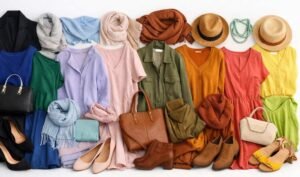
When building must-have sustainable basics for American women, I always start with fabrics. Materials determine longevity, comfort, and environmental impact.
Organic Cotton T-Shirts and Tops
An organic cotton tee is the backbone of any capsule wardrobe. I use mine as layering pieces or wear them alone. Certified organic cotton avoids synthetic pesticides and often feels softer and more breathable.
Brands like Theory offer a Tiny Tee in Organic Cotton crafted from certified organic Pima cotton jersey, praised for its flattering fit and durability.
Look for:
• Mid-weight fabric
• Reinforced neckline
• Transparent sourcing
A Classic Blazer
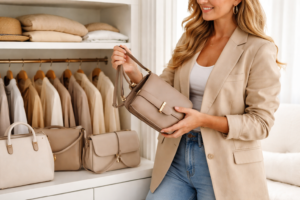
A high-quality blazer instantly elevates casual denim or completes workwear. I prefer wool or organic cotton blends. Whether tailored or slightly oversized, this timeless piece works for office meetings, travel days, and evening outings.
Well-Fitted Jeans
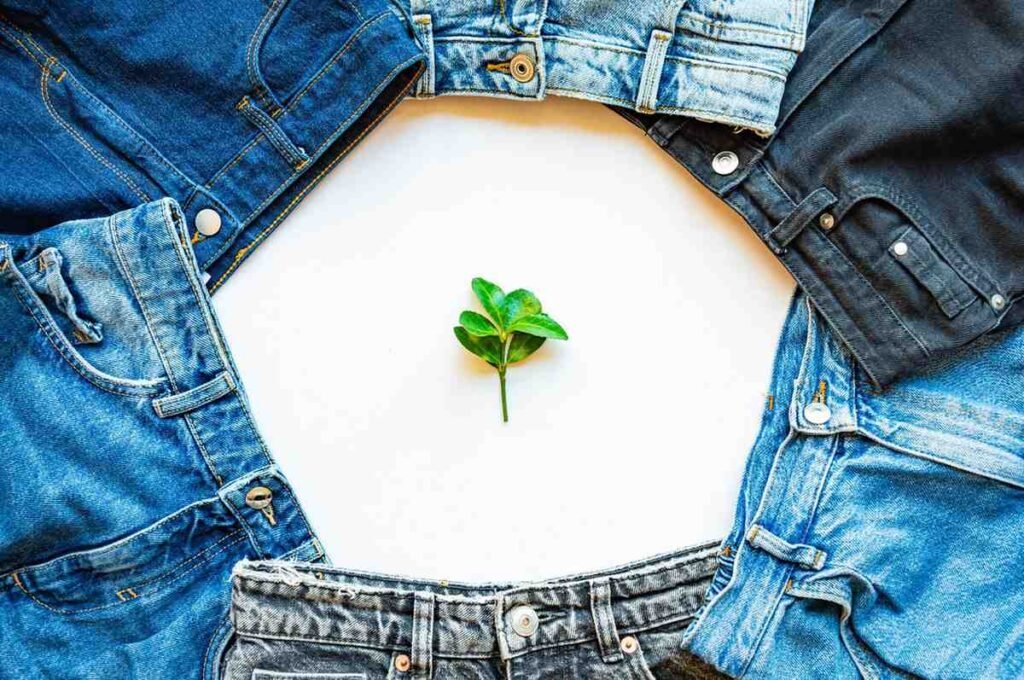
Straight-leg, relaxed, or wide-leg denim forms a versatile base for many outfits. I look for hemp-blend denim or recycled cotton options to reduce environmental impact. Hemp requires less water and strengthens the fabric.
A reliable pair of jeans anchors nearly every outfit I wear.
A Crisp White Button-Down Shirt
A white button-down works across settings — business casual, travel, or weekend brunch. Organic cotton poplin or linen blends offer breathability and polish.
Tailored Trousers
Tailored trousers add structure to any sustainable wardrobe. I pair them with sweaters, tees, or blazers. They transition seamlessly from professional to relaxed styling.
Neutral-Colored Sweaters and Knitwear
Quality knitwear made from responsibly sourced wool or organic cotton provides warmth and longevity. Vintage-inspired silhouettes tend to stay relevant year after year.
Comfortable Activewear and Leggings
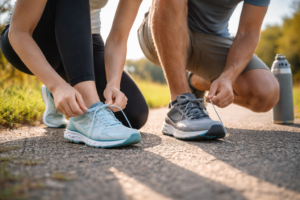
Sustainable activewear has become part of daily American life. Seamless leggings, bike shorts, and recycled-fabric sets blend performance with everyday comfort.
Girlfriend Collective is known for using recycled plastic bottles in their designs, offering durable, stylish options.
Ethical Undergarments and Sleepwear
Sustainable wardrobes extend beyond visible layers. Organic cotton underwear and sleepwear offer comfort while reducing synthetic fiber exposure.
How to Build a Sustainable Capsule Wardrobe
When I transitioned to must-have sustainable basics for American women, I followed a simple method:
Audit Your Closet
I removed pieces that no longer fit, were worn out, or didn’t align with my minimalist style.
Replace Intentionally
Instead of replacing everything at once, I upgraded the basics gradually.
Prioritize Quality Over Quantity
High-quality garments last longer and maintain structure. This reduces frequent replacements associated with fast fashion.
Care for Your Clothes Properly
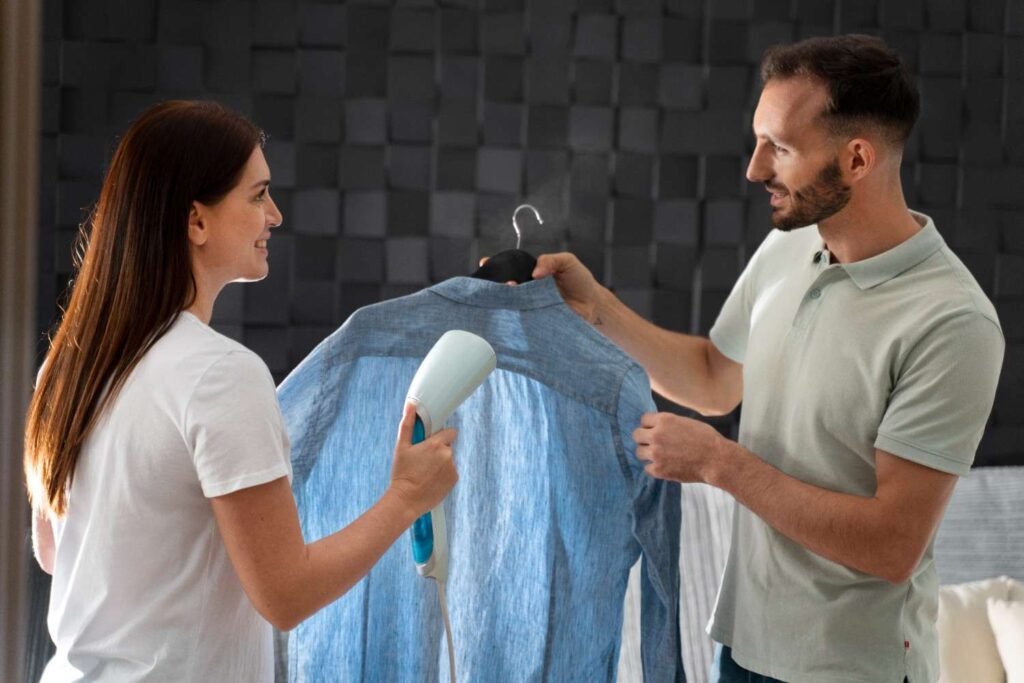
I wash in cold water, air dry whenever possible, and repair minor issues instead of discarding garments. Proper care extends clothing lifespan significantly.
Smart Sustainable Shopping Practices
Beyond choosing the right items, how we shop matters.
Shop Secondhand
Platforms like Depop and Poshmark make it easy to find pre-loved pieces affordably. Thrift stores also provide unique wardrobe additions. Buying secondhand keeps clothing in circulation and reduces waste.
Support Ethical Brands
Brands such as Patagonia, Everlane, and Reformation emphasize transparency, fair labor practices, and sustainable materials. Supporting companies with responsible supply chains encourages better industry standards.
Why Sustainable Basics Save Money Over Time
At first, sustainable clothing may cost more upfront. However, durability changes the equation. My organic cotton tees retain shape. My hemp-blend jeans resist wear. My tailored blazer still looks polished after years.
Instead of replacing stretched-out or faded fast fashion items, I maintain a smaller collection of timeless staples.
That shift reduced my overall clothing spending dramatically.
Are Sustainable Wardrobe Staples Worth It?
Absolutely. When I built my foundation around must-have sustainable basics for American women, my wardrobe became simpler, more cohesive, and more versatile.
These staples mix, match, and layer effortlessly across seasons and occasions. From city offices to suburban errands, sustainable essentials fit modern American lifestyles.
Frequently Asked Questions (FAQs)
1. What fabrics are best for a sustainable wardrobe?
Organic cotton, linen, hemp, TENCEL, recycled fibers, and responsibly sourced wool are strong choices for durability and lower environmental impact.
2. How can I build a capsule wardrobe on a budget?
Replace items gradually. Shop secondhand on platforms like Depop or Poshmark. Focus on versatile basics first.
3. Are sustainable brands really better than fast fashion?
Brands with transparent supply chains and ethical production standards often provide higher-quality, longer-lasting garments.
4. How do I make my clothes last longer?
Wash in cold water, air dry, store properly, and repair minor damages early.
Final Thoughts
Building a sustainable wardrobe doesn’t mean starting from scratch. It means choosing smarter, higher-quality basics that last. When I focused on durable staples made from organic cotton, hemp, and other eco-friendly fabrics, my closet became simpler, more versatile, and easier to style.
A few timeless pieces can go further than a closet full of trends. Choose intentionally, invest wisely, and let your wardrobe work for you—not the other way around.