

I have battled dry, frizzy hair for years, especially during unpredictable seasonal shifts. After trying countless smoothing products and salon treatments, I finally realized something important: learning how to reduce frizz naturally starts with understanding why frizz happens in the first place.
Frizz isn’t random. It’s your hair reacting to moisture imbalance, environmental stress, or damage. Once I stopped fighting my hair and started supporting it with a simple, consistent routine, everything changed. In this article, I’m sharing exactly what worked for me, no harsh chemicals, no expensive keratin treatments, and no unrealistic promises.
Why Does Frizzy Hair Happen in the First Place?
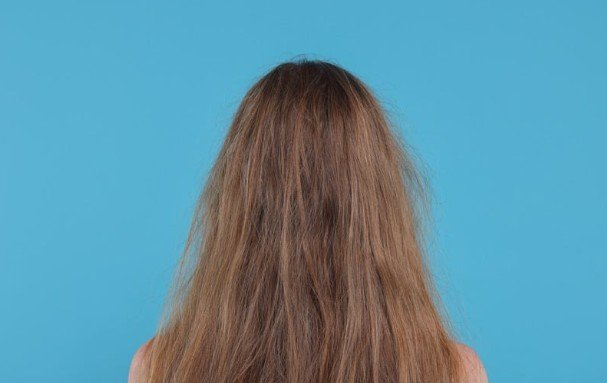
Frizz happens when the outer layer of your hair the cuticle lifts and allows moisture from the air to enter the hair shaft. That uneven swelling causes strands to expand in different directions, creating that fluffy, undefined texture we all recognize.
Humidity plays a major role, especially in coastal regions and southern climates. But dryness can also trigger frizz. When hair lacks moisture, it seeks hydration from the air — which creates swelling and rough texture.
Other common causes include:
- Overwashing with harsh shampoos
- Heat styling without protection
- Health impacts of hard water
- High-porosity hair
- Lack of deep conditioning
- Product buildup
When I addressed these root causes instead of masking the problem, I started seeing real improvement.
How to Reduce Frizz Naturally Without Expensive Treatments
When I say “naturally,” I mean using accessible ingredients and better hair habits not miracle cures.
Deep Condition Weekly to Restore Moisture
Dry hair equals frizz. Once I committed to deep conditioning once a week, I noticed a dramatic difference in texture and shine. I use coconut oil, avocado oil, or a hydrating hair mask rich in shea butter. For fine hair, lighter oils like argan oil work better.
For thick or curly hair, richer treatments help seal moisture effectively. I apply the treatment to damp hair, leave it on for 20–30 minutes, and rinse with cool water to help smooth the cuticle. Consistency makes all the difference.
Switch to a Sulfate-Free, Moisturizing Shampoo
Many traditional shampoos strip natural oils from the scalp. Once I switched to a sulfate-free formula labeled “hydrating” or “frizz control,” my hair retained moisture much better.
Look for terms like:
- Moisture balance
- Hydrating formula
- Color-safe shampoo
- Curl-enhancing
Healthy scalp care supports smoother strands. Gentle cleansing helps prevent dryness-related frizz.
Use an Apple Cider Vinegar Rinse to Smooth the Cuticle
An apple cider vinegar (ACV) rinse helped restore shine and reduce buildup for me. It balances hair’s natural pH and smooths raised cuticles. I mix one tablespoon of ACV with one cup of water, pour it over my hair after shampooing, leave it on for two minutes, and rinse thoroughly. If you live in areas with hard water, this step becomes even more helpful because mineral buildup contributes heavily to frizz.
Apply Leave-In Conditioner to Damp Hair
One of the biggest mistakes I used to make was applying products after my hair dried. Now, I gently blot my hair with a microfiber towel never a rough cotton towel and apply leave-in conditioner while it’s still damp.
This locks moisture in and prevents frizz from forming. For curly or wavy hair, this step improves curl definition and reduces flyaways dramatically.
Reduce Heat Styling and Protect Your Hair
Frequent blow drying, flat ironing, or curling damages the cuticle over time. I limited heat styling to once per week and always apply a heat protectant spray first.
Air drying works best for my routine. When I diffuse, I use low heat and finish with cool air to help seal the cuticle. Less heat equals less damage and less damage equals less frizz.
What Natural Ingredients Actually Help Control Frizz?

There’s a lot of misinformation online. These ingredients genuinely helped me:
- Coconut oil for deep hydration
- Argan oil for lightweight smoothing
- Aloe vera gel for moisture retention
- Shea butter for thick hair nourishment
- Honey as a natural humectant
- Avocado for fatty acid repair
Avoid heavy petroleum-based products if your goal is long-term hair health.
How to Reduce Frizz Naturally in Humid Weather
Humidity remains one of the toughest challenges. The key is layering hydration and sealing it in. First, apply a moisturizing leave-in conditioner. Then add a lightweight oil to seal the cuticle. This prevents excess moisture from penetrating the hair shaft.
If you have high-porosity hair, sealing becomes essential. If you have low-porosity hair, use lighter products to avoid buildup. In extremely humid regions, anti-humidity serums made with natural oils can help maintain smoother styles longer.
My Weekly Natural Frizz-Control Routine
Here’s the simple routine I follow consistently:
- Wash hair 2–3 times per week
- Deep condition once weekly
- Use an ACV rinse twice per month
- Apply leave-in conditioner on damp hair
- Hair styling without damage
- Sleep on a satin or silk pillowcase
Switching to a satin pillowcase reduced friction overnight and improved my morning hair texture immediately. Small changes compound into big results.
Does Hair Type Change How You Reduce Frizz Naturally?

Curly hair needs extra hydration and curl-enhancing products. Straight but fine hair benefits from lightweight formulas that won’t weigh strands down. Color-treated hair may require occasional protein treatments to repair damage.
High-porosity hair absorbs moisture quickly but loses it just as fast sealing is critical. Low-porosity hair benefits from lighter layers and gentle heat to help products penetrate. Understanding your hair type makes your routine more effective.
Can Hard Water Make Hair Frizzy?
Yes, and it’s more common than many people realize.
Hard water deposits minerals onto the hair shaft, preventing moisture from entering properly. That buildup leaves hair rough and prone to frizz.
Installing a shower filter helped improve my texture significantly. If that’s not an option, occasional clarifying treatments can help remove mineral residue.
Frequently Asked Questions (FAQs)
1. How long does it take to see results?
I saw noticeable improvement within two weeks. Long-term repair and moisture balance can take one to two months.
2. Can I reduce frizz without using oils?
Yes. Leave-in conditioners, aloe vera gel, and deep conditioning masks work effectively without heavy oils.
3. Is frizz always a sign of damage?
Not necessarily. Frizz can result from humidity or dryness. However, severe frizz combined with breakage may indicate damage.
4. Does rinsing with cold water really help?
Yes. Cool water helps flatten the cuticle, making hair appear smoother and shinier.
5. Can I reduce frizz naturally without changing products?
Sometimes. Improving application techniques, reducing friction, and minimizing heat exposure can make a noticeable difference.
Final Thoughts
Learning how to reduce frizz naturally changed the way I approach hair care. Instead of chasing quick fixes, I built a simple routine centered around hydration, protection, and consistency.
Healthy habits outperform miracle products every time. When you nourish your hair properly and protect the cuticle layer, smoother, more manageable hair follows. Frizz isn’t the enemy. It’s a signal. Once you listen to it and respond correctly, everything improves.