
Over the last few years, I’ve noticed a major shift in how Americans shop for perfume. People no longer just want something that smells good. They want natural and organic fragrances that feel safe, transparent, sustainable, and aligned with their lifestyle.
But here’s the truth: the terms “natural,” “organic,” and “clean” get used loosely in the fragrance industry. If you’ve ever felt confused while browsing labels that say non-toxic, phthalate-free, botanical, vegan, or eco-friendly perfume you’re not alone.
What Are Natural and Organic Fragrances?
When I talk about natural fragrances, I’m referring to perfumes made primarily from plant-derived ingredients like essential oils, absolutes, resins, tinctures, and botanical extracts. These ingredients often come from flowers, fruits, woods, herbs, and spices.
Organic fragrances take it a step further. They use ingredients grown without synthetic pesticides, herbicides, or GMOs. In the United States, an ingredient labeled “organic” usually follows USDA organic standards but here’s the catch: fragrance as a finished product rarely carries full USDA certification because alcohol and complex blends complicate labeling.
That’s why many brands use phrases like:
- Botanical perfume
- Clean fragrance
- Non-toxic perfume
- Phthalate-free
- Vegan and cruelty-free
Understanding these labels helps you shop smarter.
Natural vs Organic vs Clean Fragrance: What’s the Real Difference?
This is one of the biggest search questions I see, so let me simplify it. Natural fragrance means the scent ingredients come from nature. Organic fragrance means those natural ingredients were grown under certified organic practices.
Clean fragrance is broader. It typically means the brand avoids controversial ingredients like phthalates, parabens, and certain synthetic musks.
A clean perfume may still contain safe synthetic aroma molecules. And that’s not automatically bad. Some lab-created ingredients are more sustainable and less allergenic than certain essential oils. That’s why I always recommend looking for transparency rather than chasing buzzwords.
Are Natural Perfumes Safer and Non-Toxic?
Many shoppers assume natural equals safer. In reality, safety depends on formulation, concentration, and skin sensitivity. Essential oils like bergamot, cinnamon, and clove can cause irritation if used improperly. That’s why reputable brands follow IFRA (International Fragrance Association) guidelines for safe usage levels.
When I evaluate non-toxic perfumes, I look for:
- Full ingredient transparency
- Clear allergen disclosures
- Phthalate and their impacts
- Third-party testing or certifications
If you have sensitive skin, you might prefer alcohol-free perfume oils or hypoallergenic fragrance blends.
Do Natural and Organic Fragrances Last as Long as Synthetic Perfume?
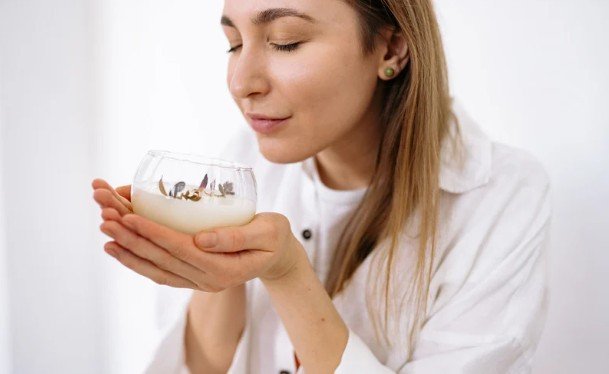
This is probably the most common buyer concern in the U.S. market. Natural perfumes often have a lighter, more intimate projection. They sit closer to the skin compared to conventional designer fragrances loaded with synthetic fixatives.
However, longevity depends on scent family:
- Woody and resin-based scents (sandalwood, vetiver, frankincense) last longer
- Citrus and green notes fade faster
- Perfume oils last longer than alcohol-based sprays
If you want better performance, I recommend:
- Applying fragrance to moisturized skin
- Layering with matching body oils
- Spraying pulse points and clothing carefully
Natural doesn’t automatically mean weak, it just performs differently.
What Ingredients Should I Look for in Natural Fragrances?
When I scan labels, I prioritize botanical ingredients such as:
- Essential oils
- Flower absolutes
- CO2 extracts
- Plant-based alcohol
- Natural resins
I also look for brands that avoid:
- Phthalates
- Synthetic dyes
- Parabens
- Artificial preservatives
Sustainable packaging and eco-friendly sourcing also matter. Many American shoppers now care about ethical sourcing, carbon footprint, and refillable perfume bottles.
How Do I Choose the Right Natural Perfume for My Lifestyle?

Choosing fragrance should feel personal, not overwhelming. First, decide what scent family you enjoy:
- Floral (rose, jasmine, neroli)
- Woody (cedarwood, sandalwood)
- Citrus (lemon, grapefruit, bergamot)
- Gourmand (vanilla, cacao)
- Herbal or green
Second, think about when you’ll wear it. Office environments in the U.S. often favor lighter, skin-close scents. Evening events can handle richer compositions.
Third, order sampler sets before committing. Many clean fragrance brands now offer discovery kits so you can test performance on your own skin chemistry.
Are Natural and Organic Fragrances Worth the Higher Price?
Natural ingredients cost more to source and extract. It can take thousands of roses to produce a small amount of rose absolute. That labor shows up in the price.
In my experience, you’re paying for:
- Higher quality raw materials
- Ethical sourcing
- Smaller batch production
- Sustainability efforts
If those values align with you, the price feels justified.
How Transparent Are Natural Fragrance Brands?
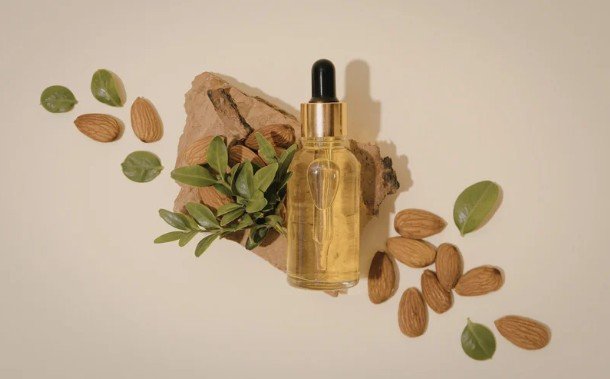
Transparency separates serious brands from marketing hype.
I prefer brands that disclose:
- Full ingredient lists
- Sourcing information
- Allergen statements
- International Fragrance Association Standards
The clean beauty movement in the United States has pushed companies to become more open. That’s good news for consumers who want clarity.
Who Should Consider Switching to Natural and Organic Fragrances?
I typically recommend natural fragrances for:
- People with fragrance sensitivities
- Clean beauty enthusiasts
- Eco-conscious shoppers
- Anyone wanting a softer, more skin-like scent
But I don’t believe synthetic perfumes are automatically harmful. It’s about informed choice.
Frequently Asked Questions (FAQs)
1. What does organic perfume legally mean in the United States?
Organic typically refers to how plant ingredients were grown. Full USDA organic certification for finished perfume products is rare, so check ingredient-level certifications.
2. Are natural perfumes better for sensitive skin?
They can be, but not always. Some essential oils cause irritation. Look for hypoallergenic fragrance blends and patch test first.
3. Do natural perfumes expire faster?
Yes. Because they lack heavy synthetic preservatives, they may have a shorter shelf life. Store them away from heat and sunlight.
4. Why are clean fragrances becoming popular in America?
Consumers want transparency, sustainability, and non-toxic beauty options. The clean beauty movement has influenced fragrance trends significantly.
Final Thoughts
The conversation around natural and organic fragrances isn’t about fear — it’s about awareness. As American consumers demand safer, more sustainable products, brands continue to evolve. If you value transparency, plant-based ingredients, and ethical sourcing, natural fragrance may align with your lifestyle.
Just remember: read labels carefully, test scents on your skin, and focus on how a fragrance makes you feel, not just what the marketing claims. When you approach fragrance with knowledge instead of hype, you’ll always make a confident choice.