


I’ll be honest—I was skeptical about salicylic acid at first. My skin is a bit sensitive, and I feared it would leave me red and peeling, but after some research and trial and error, I found the right way to incorporate it into my routine.
Now, it is my go-to for clear, smooth skin. If you’re ready to unlock the magic of this acne-fighting ingredient, let me guide you through the safe and effective way to use it. Here’s everything you need to know about how to use salicylic acid for best results.
What Is Salicylic Acid and Why Should You Use It?
Salicylic acid is a type of beta-hydroxy acid (BHA) known for its exfoliating properties. It penetrates deep into the pores to dissolve dead skin cells, excess oil, and debris that can clog pores and cause acne. By promoting cell turnover, it helps to clear up blackheads, whiteheads, and acne while reducing inflammation. If you have oily or acne-prone skin, this is a game-changer, but it’s essential to know how to use it properly for optimal results without irritating your skin.
General Application Steps For Using Salicylic Acid Serum
Before you dive in, here’s how to apply salicylic acid safely to avoid irritation and maximize its effectiveness.

Patch Test:
Before you start applying salicylic acid all over your face, it’s important to do a patch test. Apply a small amount to a discreet area (like the inner forearm) for three days to check for any irritation or sensitivity.
Cleanse:
Start with a clean face. Use a gentle, non-exfoliating cleanser to remove dirt, oil, and makeup. This helps prepare your skin for the acid without introducing more grit or grime that could clog pores.
Dry Thoroughly:
Make sure your skin is completely dry before applying any salicylic acid products. Applying acids to damp skin can increase penetration, which might cause irritation.
Apply a Thin Layer:
When you apply, less is more. Use only a small amount, around 2–3 drops for serums, and spread it evenly over the affected area. Avoid the sensitive areas around your eyes, nose, and mouth.
Wait and Absorb:
For serums or toners, let the product sit on your skin for 5–10 minutes before moving on to the next step. This allows the acid to work at its optimal pH level.
Moisturize:
Salicylic acid can be drying, so it’s important to follow up with a hydrating, non-comedogenic moisturizer to lock in moisture and protect your skin barrier.
Sun Protection:
Salicylic acid increases your skin’s sensitivity to the sun, so make sure to apply a broad-spectrum sunscreen of at least SPF 30 every morning. Don’t skip this step!
Salicylic Acid Usage by Product Type
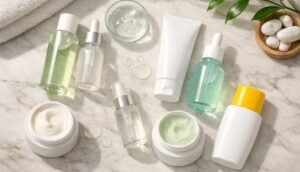
Salicylic acid comes in many different formulations, and it’s important to choose the right one for your needs.
Cleansers:
For cleansers, lather them on wet skin for 30–60 seconds and rinse thoroughly. Since they’re washed off, these tend to be gentler compared to leave-on products.
Serums/Toners:
These leave-on treatments usually contain 0.5–2% salicylic acid. After cleansing, apply them directly to your skin before moisturizing. These are ideal for acne treatment and pore-clearing.
Spot Treatments:
For active blemishes, spot treatments are your best bet. Use a tiny amount only on the blemish, and these typically have higher concentrations of salicylic acid. It’s best to use them at night.
Pads:
Salicylic acid pads are pre-soaked and ready to use. Simply wipe the pad over the affected area and let the product absorb into your skin. Don’t rinse it off.
Shampoos:
If you have a scalp prone to acne or dandruff, look for a salicylic acid shampoo. Apply to a wet scalp, lather for 2–3 minutes, rinse, and repeat if necessary.
How Often Should You Use Salicylic Acid?
When introducing salicylic acid into your routine, start slow and build up to avoid overwhelming your skin.
Start Slow:
As a beginner, aim to use salicylic acid 2–3 times per week. This will give your skin a chance to adjust.
Increase Gradually:
If your skin tolerates it well, you can gradually increase the frequency to once a day. Some people with oily skin or acne-prone skin may even use it twice a day, but be careful and watch for signs of irritation.
Best at Night:
Salicylic acid works best when left on your skin undisturbed overnight. It also minimizes the risk of sun sensitivity, which is important since this ingredient can increase your skin’s vulnerability to UV rays.
Safety and Interactions: What You Need to Know
While salicylic acid can work wonders for many skin concerns, there are a few safety tips to keep in mind.
Avoid Over-Layering:
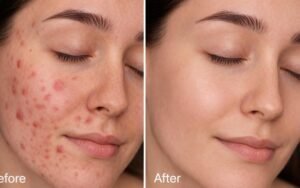
It should not be used in the same routine as other strong actives like retinol, Vitamin C, or Alphas Hydroxy Acids or AHAs (glycolic or lactic acid). Layering these can lead to over-exfoliation, which can cause severe irritation.
Skip Irritated Skin:
Do not apply to broken, inflamed, or infected skin. If your skin is already irritated, it’s best to wait until it’s healed before using this acid.
Warning for Children:
Salicylic acid is not recommended for children under the age of 2. Always consult a pediatrician before using it on younger children.
Frequently Asked Questions
1. Can salicylic acid help with blackheads?
Yes! Salicylic acid is great for clearing out blackheads because it penetrates deep into the pores and helps dissolve the oil and dead skin cells that contribute to clogged pores. Regular use can help keep your pores clear and prevent new blackheads from forming.
2. How long will it take to see results from using salicylic acid?
You may start to notice improvements in your skin in about 2–4 weeks of consistent use, but it depends on your skin type and concerns. Patience is key, and remember that acne treatments often take time.
3. Can I use salicylic acid with other acne treatments?
It’s fine to combine salicylic acid with other acne treatments, but make sure to give each product time to absorb and avoid over-exfoliating. If you’re using a prescription treatment like benzoyl peroxide or a retinoid, alternate nights to prevent irritation.
4. Should I use salicylic acid if I have dry skin?
If you have dry skin, you can still use salicylic acid, but be sure to follow up with a good moisturizer. Look for products with a lower concentration of salicylic acid (0.5–1%) and avoid overuse to prevent dryness.
Embrace the Magic of Salicylic Acid for Clear Skin
Now that you know how to use salicylic acid like a pro, it’s time to add it to your skincare routine and enjoy the benefits of clearer, smoother skin. Remember to start slow, listen to your skin, and never forget that sunscreen! This powerful ingredient can transform your skin, but as with any skincare product, consistency is key. Here’s to clear, glowing skin—go get it, you’ve got this!