
If you’re dealing with thinning hair, excessive shedding, or visible scalp patches, you’ve probably searched for the best hair growth serums dermatologists recommend. I’ve been in that exact position scrolling through endless options, trying to figure out what actually works and what’s just marketing.
In this guide, I’ll break down what dermatologists truly look for in a hair growth serum, which ingredients have clinical support, how to choose the right formula for your hair type, and how to use it properly for real results. This isn’t hype. It’s a practical, evidence-based approach to improving scalp health and supporting hair regrowth.
What Are the Best Hair Growth Serums Dermatologists Recommend for Hair Thinning?
When dermatologists recommend a hair growth serum, they focus on ingredients with clinical backing, safety for long-term use, and proven scalp benefits.
The most commonly recommended categories include:
- Minoxidil-based topical treatments
- Best peptide serums and growth factor serums
- Caffeine-infused scalp treatments
- Rosemary oil formulations
- DHT-blocking botanical blends
- Biotin and niacinamide strengthening serums
Instead of chasing trends, I focus on products that improve blood circulation to the scalp, extend the hair growth cycle (anagen phase), and reduce inflammation. Those three factors directly influence hair density and thickness.
How Do Hair Growth Serums Work to Stimulate Hair Regrowth?
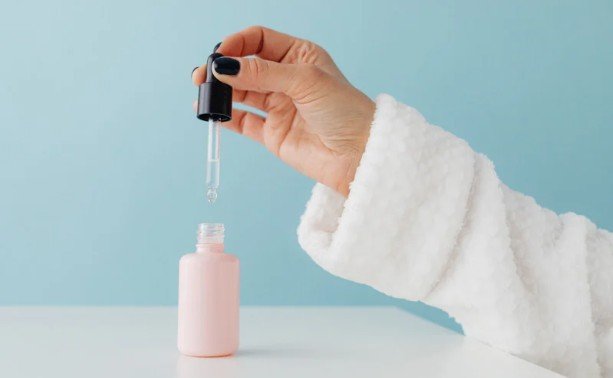
Hair growth serums work at the follicle level. When I evaluate a formula, I look at how it interacts with the scalp environment. Here’s what effective serums typically do:
Increase Blood Flow to Hair Follicles
Ingredients like minoxidil and caffeine enhance circulation. Better blood flow means more oxygen and nutrients reach hair follicles, which supports stronger regrowth.
Extend the Growth Phase of Hair
Hair grows in cycles: growth (anagen), transition (catagen), and shedding (telogen). Some ingredients help follicles stay in the growth phase longer, reducing premature shedding.
Support a Healthy Scalp Barrier
Chronic scalp inflammation can accelerate hair thinning. Niacinamide, peptides, and botanical extracts calm irritation and create a healthier environment for follicles to function. When the scalp environment improves, hair growth often follows.
Which Ingredients Should I Look for in a Dermatologist-Recommended Hair Growth Serum?
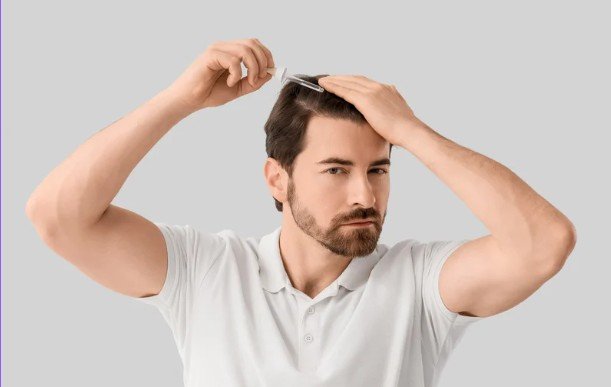
If you want real improvement, the ingredient list matters more than branding. The best hair growth serums dermatologists recommend usually contain one or more of these clinically supported ingredients:
Minoxidil
The only FDA-approved topical treatment for androgenetic alopecia. It increases follicle size and encourages regrowth in both men and women.
Peptides
Peptides strengthen the hair root and support keratin production. Dermatologists often suggest peptide serums for early thinning.
Rosemary Oil
Some studies suggest rosemary oil can improve circulation and support regrowth, making it a popular natural alternative.
Caffeine
Caffeine stimulates follicles and may reduce DHT-related thinning.
Biotin
Biotin supports hair structure and reduces breakage. It doesn’t regrow hair on its own but improves overall hair resilience.
Saw Palmetto
Frequently included to block DHT foods for pattern hair loss.
I personally avoid high-alcohol formulas because they dry out the scalp and can worsen irritation.
How Do I Choose the Right Hair Growth Serum for My Type of Hair Loss?
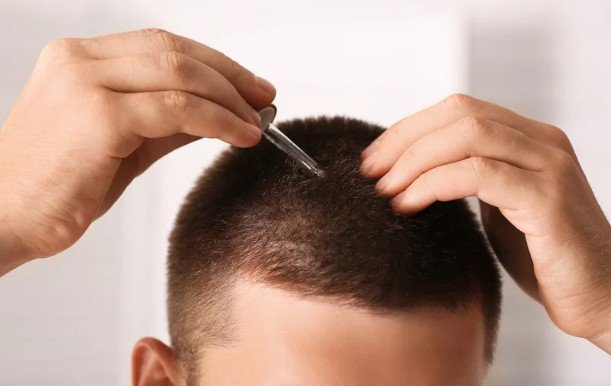
Choosing the right serum starts with identifying the cause of your thinning.
For Male or Female Pattern Hair Loss
Look for minoxidil or DHT-blocking ingredients. This type of hair loss typically appears at the crown or hairline.
For Postpartum Hair Shedding
Gentle peptide-based serums work well while your hormones rebalance.
For Stress-Related Hair Loss
Anti-inflammatory serums with niacinamide and botanical extracts can help restore scalp health.
For Oily or Sensitive Scalps
Lightweight, non-comedogenic serums prevent buildup and clogged follicles.
If you experience sudden hair loss, patchy bald spots, or scalp discomfort, consult a board-certified dermatologist. Hair loss sometimes signals underlying medical conditions like thyroid imbalance or autoimmune disorders.
How Should I Apply Hair Growth Serum for Maximum Effectiveness?
Even the best formula won’t work if applied incorrectly. Here’s the routine I follow:
- Start with a clean, dry scalp.
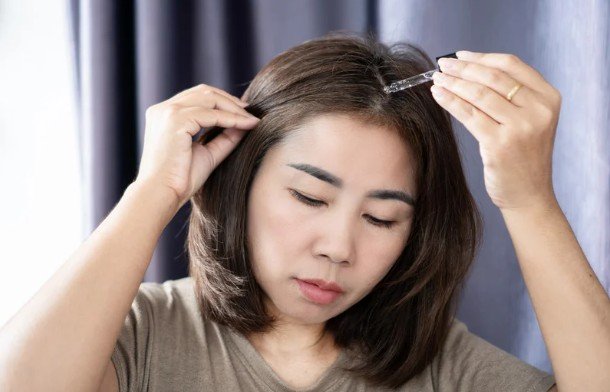
- Section your hair to expose thinning areas.
- Apply the serum directly onto the scalp—not just the strands.
- Massage gently for about one minute to increase absorption.
- Use consistently every day.
Most dermatologists recommend using hair growth serums for at least three to six months before evaluating results. Consistency makes the biggest difference.
How Long Does It Take to See Results from Hair Growth Serums?

Hair regrowth requires patience. Based on clinical timelines, here’s what typically happens:
- Weeks 1–4: Some temporary shedding may occur as follicles reset.
- Weeks 8–12: Early regrowth (“baby hairs”) may become visible.
- Months 4–6: Noticeable thickening and reduced hair fall often appear.
Hair grows roughly half an inch per month, so realistic expectations matter.
Are Over-the-Counter Hair Growth Serums Effective?
Yes, many over-the-counter serums work well if they contain clinically supported ingredients. Prescription treatments may offer stronger concentrations, but OTC options can provide significant improvement for mild to moderate thinning.
When I evaluate credibility, I look for:
- Dermatologist endorsements
- Clinical testing references
- Transparent ingredient lists
- Clear usage instructions
Trust and transparency signal quality.
What Common Mistakes Reduce the Effectiveness of Hair Growth Serums?
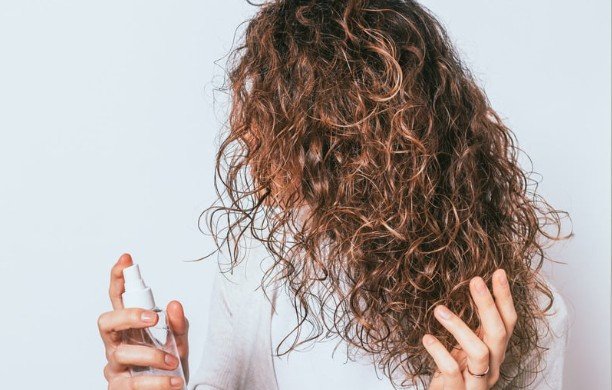
I often see people unintentionally sabotage their progress.
Common mistakes include:
- Applying serum to wet hair instead of the scalp
- Stopping treatment too early
- Using inconsistent dosing
- Scalp build up with too many products
- Ignoring overall scalp health
Hair regrowth works best when you combine serum use with proper nutrition, stress management, and gentle hair care.
Frequently Asked Questions (FAQs)
1. Do dermatologists truly recommend hair growth serums?
Yes. Many dermatologists recommend topical treatments like minoxidil and peptide-based serums for thinning hair and early hair loss.
2. Can hair growth serums regrow completely bald areas?
If hair follicles remain active, regrowth is possible. Long-dormant follicles may not respond as effectively.
3. Are hair growth serums safe for women?
Most are safe, but pregnant or breastfeeding women should consult a healthcare professional before starting treatment.
4. Should I combine a hair growth shampoo with a serum?
Yes. A scalp-stimulating shampoo paired with a targeted growth serum can improve overall results.
Final Takeaways
Finding the best hair growth serums dermatologists recommend comes down to choosing evidence-based ingredients, identifying your specific type of hair loss, and committing to consistent use. Hair regrowth doesn’t happen overnight, but with the right formula and a healthy scalp routine, you can improve thickness, reduce shedding, and support stronger follicles over time.
If you’re unsure which direction to take, consulting a board-certified dermatologist remains the most reliable way to create a personalized hair restoration plan. Hair growth is a process but the right serum can absolutely support that journey.