
Have you ever tried on a shirt that made you feel like you were glowing, only to try another and wonder why it felt so… off? Well, it’s not magic—it’s colour analysis! I used to pick clothes based on my favorite shades, but I was constantly left wondering why some colors just didn’t seem to work. And then, I learned about colour analysis clothes, and everything changed. This process helps you identify the colors that truly flatter your skin tone, eye color, and hair—creating a wardrobe that works with you, not against you.
In this blog, we’ll dive deep into how you can use colour analysis to build a wardrobe that makes you feel confident, vibrant, and in harmony with your natural tones. Let’s explore what colour analysis is all about, how to identify your season, and the modern tools you can use to help you find your perfect palette.
What Is Colour Analysis for Clothes?
Colour analysis is a method of determining which colors complement your skin tone, hair, and eye color. It goes beyond choosing clothes based on personal preference and helps you find shades that make you look and feel your best. By categorizing individuals into seasonal palettes—Winter, Summer, Autumn, and Spring. You can understand which colours will create harmony and highlight your natural beauty.

Each of these seasons has distinct characteristics:
- Winter: Cool, high-contrast colours that create sharp, dramatic looks.
- Summer: Soft, cool tones that lean towards pastel shades.
- Autumn: Warm, earthy tones that evoke a sense of richness.
- Spring: Fresh, clear colours that feel light and lively.
By identifying your season, you can start to build a wardrobe that flatters you without guessing or second-guessing what suits you best.
How Do I Know Which Colours Suit Me?
Knowing your perfect colours starts with understanding your undertones. Are they warm or cool? If you’re unsure, here’s a quick test to get you started.

1. Check Your Veins
Look at the veins on your wrist. If they appear blue, you likely have cool undertones. If they look greenish, you have warm undertones. Neutral undertones can be trickier to identify, but they often appear as a mix of both.
2. Jewelry Test
Try on silver and gold jewelry. Silver tends to look better on cool undertones, while gold shines on warm undertones. If you can wear both with ease, you may have neutral undertones.
3. Eye and Hair Color
People with lighter eyes (blue, green) and cool-toned hair (ash blonde, platinum) are often Winters or Summers, while those with darker eyes (brown, hazel) and warmer tones (golden blonde, deep brown) typically fall under Autumn or Spring.
Once you have an idea of your undertones, you can move forward and discover which season’s colours will enhance your natural look.
Use Colour Analysis Clothes to Build Your Wardrobe
Once you’ve figured out your season, the next step is to start building a capsule wardrobe based on your findings. Here’s how you can put your new colour knowledge into practice:

Step 1: Identify Your Season
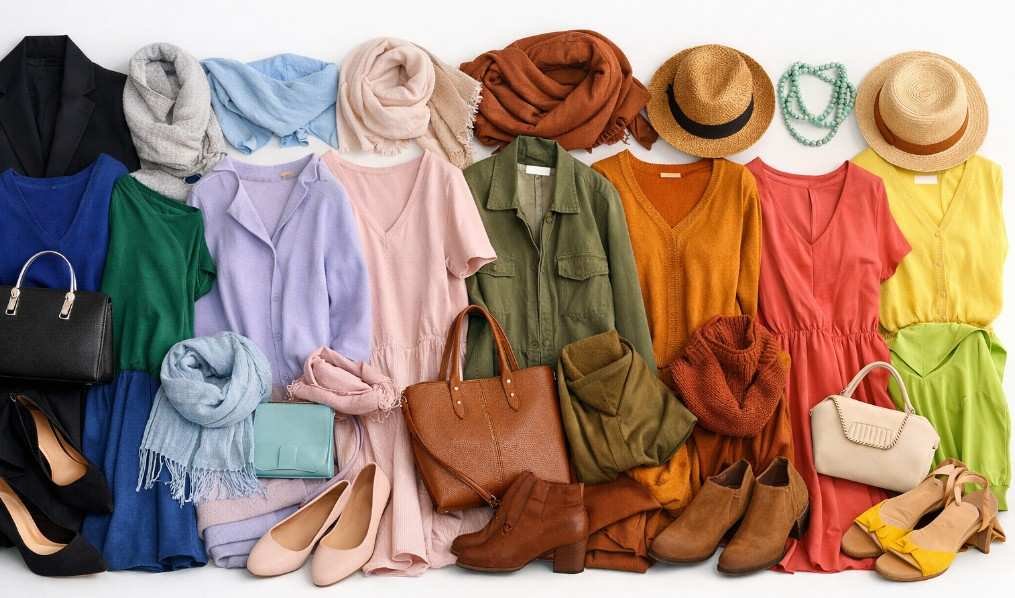
You’ll want to figure out whether you’re a Winter, Summer, Autumn, or Spring. Each season has its own set of flattering colours. For example, if you’re a Winter, you’ll thrive in bold, high-contrast shades like black, royal blue, and emerald green. On the other hand, if you’re a Spring, your ideal colours will be bright, fresh shades like peach, golden yellow, and lime green.
Step 2: Curate Your Core Wardrobe
Start by adding a few basics to your wardrobe in colours that align with your season. For instance:
- Winter: Invest in classic items like a black coat or white blouse.
- Summer: Soft pastels like lavender or powder pink make great staples.
- Autumn: Olive green pants or a camel sweater will complement your skin.
- Spring: Bright, fresh colours like peach or turquoise will bring life to your closet.
These core items form the foundation of your wardrobe.
Step 3: Experiment with Accent Pieces
Once you have your basics, it’s time to play with accent pieces like scarves, bags, and shoes. These items can add pops of colour without overwhelming your look. For example, if you’re a Summer, you could add a light pink scarf or lavender shoes.
Step 4: Don’t Forget Patterns and Textures
You can also experiment with patterns and textures! Look for patterns that incorporate your flattering colours. A floral dress with pastel tones or a plaid shirt with earthy hues can make a great addition. Just ensure that the base colours match your season, and feel free to experiment with prints that add some fun to your wardrobe.
Frequently Asked Questions (FAQs)
1. How do I know which season I am for colour analysis clothes?
Determining your season is based on a combination of your skin undertones, hair colour, and eye colour. Cool-toned individuals usually fit into Winter or Summer, while warm-toned individuals are more likely to be Autumn or Spring. If you’re unsure, you can always use a professional colour consultant or an online quiz to pinpoint your season.
2. Can I wear colours outside of my season?
Absolutely! While wearing your season’s colours will naturally flatter you, feel free to experiment with other colours that you love. If you’re not in your season’s palette, consider using smaller accessories or accent pieces to introduce non-seasonal colours into your look.
3. Can colour analysis clothes help with my overall style?
Yes! By knowing which colours enhance your natural tones, you can create a cohesive wardrobe that makes getting dressed in the morning much easier. You’ll also have a better understanding of which colours to avoid, helping you make better purchasing decisions when shopping.
4. How can I update my wardrobe with colour analysis?
Colour analysis tools have become even more accessible. You can use digital apps and online services to analyze your skin tone through photos. Some tools even allow you to scan fabrics while shopping using hardware sensors like the COLYR kit, making it easier than ever to ensure you’re adding the right colours to your wardrobe.
Embrace Your Colours and Rock That Wardrobe
Colour analysis for clothes isn’t just about looking good—it’s about feeling good in your own skin. By learning which colours work for you, you’re also analyzing the psychology of fashion. You’re building a wardrobe that’s tailored to your natural beauty, saving you time and stress while shopping. So, go ahead and explore your personal colour palette—whether it’s fresh Spring greens or warm Autumn hues, there’s a whole world of flattering colours waiting for you.
Pro Tip: Don’t be afraid to step outside your comfort zone! Embrace your colours and let your wardrobe express who you are. Confidence comes from knowing your colours, so wear them with pride.