
I’ve made the mistake before. I bought sneakers that looked airy online, only to realize after a long afternoon outside that they trapped heat like an oven. By the time I got home, my feet felt swollen, damp, and uncomfortable. That’s when I stopped chasing brand names and started paying attention to materials, airflow, and real construction details.
Choosing breathable sneakers for summer heat isn’t about grabbing the most expensive pair on the shelf. It’s about understanding how ventilation actually works. Once you know what to look for, you can find lightweight sneakers for hot weather that feel premium without paying premium prices.
What Actually Makes Sneakers Breathable?
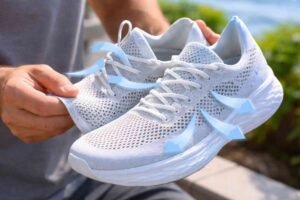
Breathability isn’t marketing copy. It comes down to how air moves in and out of the shoe, and how moisture escapes.
Engineered Mesh vs. Basic Mesh
Not all mesh is equal. High-quality engineered mesh uses multi-density construction or laser perforations. You’ll often see larger openings around the midfoot and vamp, where heat builds up the most. Generic single-layer polyester mesh might look breathable, but it often traps heat once you start moving.
When shopping for ventilated mesh sneakers, hold the shoe toward a bright light. If you can see semi-transparent sections or airflow channels, that’s a strong sign of passive ventilation.
Knit Uppers With Targeted Airflow
Knit fabrics such as Nike Flyknit or Adidas Primeknit deliver a sock-like fit with breathable zones woven directly into the material. Some brands also use eucalyptus fiber blends that naturally regulate temperature and reduce odor buildup. Knit shoes often feel softer and more flexible, which helps during long walks or casual wear.
Ventilated Midsoles and Smart Foam
Advanced designs now include micro-channels or honeycomb voids in the midsole. These allow subtle airflow under the foot. It’s not dramatic ventilation, but in extreme heat, even minor circulation makes a noticeable difference.
Moisture-Wicking Liners
Inner linings matter more than most people realize. Synthetic fibers like CoolMax or merino wool blends pull sweat away from the skin instead of trapping it. That reduces that heavy, damp feeling after hours outside.
If the insole is thick, non-removable memory foam, it may act like a heat reservoir. A removable, open-cell antimicrobial insole improves cooling significantly.
Avoiding the Overpaying Trap

Premium sneakers often charge for branding, athlete endorsements, or limited releases. But a strong airflow design doesn’t require a luxury price tag.
Here’s what actually helps you avoid overspending:
- Focus on materials over logos
- Check for removable insoles
- Avoid waterproof membranes unless necessary
- Try shoes later in the day when feet are slightly swollen
Waterproof membranes such as Gore-Tex can increase internal humidity in high temperatures. Unless you’re specifically buying for rainy conditions, skip them for summer use.
Budget-Friendly Options That Perform Well
You don’t need to spend aggressively to get summer-ready footwear. Several affordable brands produce breathable athletic shoes that hold up for walking, gym sessions, and everyday wear.
Models frequently praised for strong ventilation and lightweight comfort include:
- Campus Harmony – Known for breathable mesh uppers and responsive cushioning.
- ASIAN MOSCOW-01 – Combines mesh construction with air-cushion outsoles.
- Neemans Pulse Stride – Features breathable knit uppers with sweat-reducing lining.
- Campus OXYFIT – Popular slip-on option with flexible knit ventilation.
These shoes often cost a fraction of premium labels while delivering comparable airflow for casual and moderate athletic use.
If you’re running regularly or spending full days outdoors, investing slightly more in engineered mesh construction may be worthwhile. But for everyday walking and commuting, many affordable breathable shoes perform extremely well.
Matching Sneakers to Your Use Case

Choosing the right pair depends on how you’ll wear them.
For everyday casual use, lightweight mesh sneakers with flexible outsoles work best. You want comfort, airflow, and moderate cushioning.
For running or gym training, look for reinforced mesh uppers, moisture-wicking liners, and midsoles designed for shock absorption.
For work or outdoor activity, durability becomes more important. Choose breathable sneakers for summer heat that balance airflow with supportive construction and slip-resistant soles.
The key is not overbuying performance you don’t need.
Small Details That Make a Big Difference
Sometimes, breathability problems come from fit rather than materials. Shoes that are too tight restrict airflow. That’s why trying sneakers on later in the day helps ensure they won’t feel constricting once your feet expand in heat.
Also, rotate your sneakers. Even the best airflow design can’t compete with back-to-back full-day wear without proper drying time.
Frequently Asked Questions (FAQs)
1. What are the best materials for breathable sneakers for summer heat?
Engineered mesh, knit uppers, and moisture-wicking liners provide the best airflow and sweat control. Avoid thick synthetic overlays that block ventilation.
2. Are expensive sneakers more breathable?
Not necessarily. Many affordable breathable shoes use high-quality mesh and airflow designs similar to premium models. Price doesn’t always equal performance.
3. Should I avoid waterproof sneakers in summer?
Unless you need rain protection, waterproof membranes can trap humidity and increase heat buildup during hot conditions.
4. How can I test sneaker breathability before buying?
Hold the shoe up to a bright light to inspect airflow openings. Check if the insole is removable and feel how flexible and lightweight the upper material is.
Final Thoughts
Buying breathable sneakers for summer heat shouldn’t feel complicated or expensive. Once you understand how airflow works through engineered mesh, knit fabrics, and moisture-wicking liners, you can evaluate shoes quickly and confidently. Breathability comes from smart construction, not marketing hype. If the materials make sense and the fit feels right, you’re already ahead of most buyers.
Stay focused on airflow, comfort, and real usage needs. The right pair doesn’t have to cost a fortune.