
Have you ever dreamed of stepping into a world where fashion becomes art? Where every stitch, bead, and fabric is crafted just for you? That’s the magic of haute couture fashion. My first introduction to haute couture was a visit to a Paris fashion house during Fashion Week. Walking through the atelier, I was stunned by the artistry, precision, and time it takes to create these masterpieces. It’s not just about luxury; it’s about craftsmanship.
Haute couture, meaning “high sewing” in French, represents the absolute pinnacle of the fashion industry—a world where each piece tells a story. Enter this fascinating world of haute couture fashion and uncover its rules, history and the extraordinary craftsmanship behind it.
What is Haute Couture Fashion?
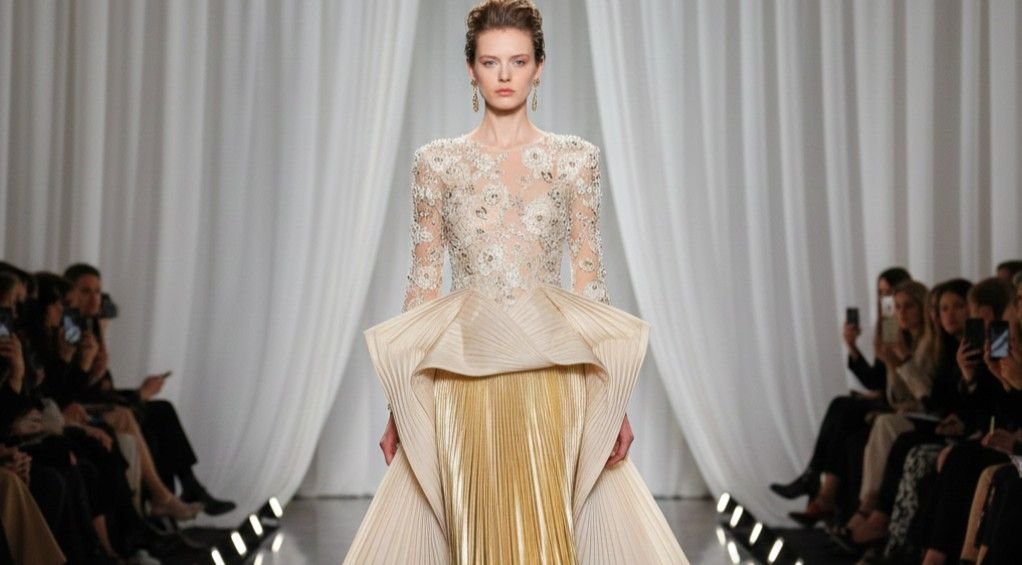
Haute couture fashion is the highest form of fashion. It’s custom-made, one-of-a-kind clothing made by skilled artisans using the finest materials. The magic behind haute couture lies in its exclusivity and craftsmanship. Only a few fashion houses are authorized to use the term haute couture because it is legally protected in France.
To be considered haute couture, a brand must meet strict requirements: designing for private clients, employing technical experts, maintaining a Paris atelier, and presenting bi-annual collections. This fashion is the ultimate luxury, reserved for a select few, with pieces costing anywhere from $50,000 to over $100,000.
Why is Haute Couture Fashion So Expensive?

The high price tag of haute couture fashion isn’t just about the brand name; it’s about the hours of meticulous work that go into creating each piece. A single haute couture gown can take over 800 hours to make, involving many specialized artisans working together. The materials used are often rare and luxurious, such as silks, taffetas, and intricate lace.
In addition to the labor-intensive process, there’s also the exclusivity factor. Each piece is custom-made to a client’s specifications, ensuring that no two garments are alike. Haute couture pieces often have a long lifespan, becoming timeless heirlooms passed down through generations.
The Strict Rules of Haute Couture Fashion
In France, haute couture is a protected designation. Only fashion houses that meet the requirements set by the Chambre Syndicale de la Haute Couture can use the term. These rules ensure the artistry and prestige of haute couture fashion. To qualify, a brand must:
- Design for Private Clients: Pieces must be custom-made with one or more personalized fittings.
- Maintain a Paris Atelier: The house must have a workshop in Paris with at least 15 full-time employees.
- Employ Technical Experts: At least 20 full-time technical workers must be in the atelier.
- Present Bi-Annual Collections: Houses must present at least 50 original designs (day and evening wear) every January and July.
These rigorous standards preserve the exclusivity and artistry of haute couture, making it a highly coveted field in fashion.
The Father of Haute Couture: Charles Frederick Worth
The haute couture industry as we know it today was revolutionized by Charles Frederick Worth in the mid-19th century. Before Worth, dressmakers were considered servants to their clients, creating garments based solely on the client’s wishes. Worth changed this dynamic by introducing his own designs, essentially transforming dressmaking into an art form. His most notable innovations included:

- Introducing Live Models: Worth was the first to replace fashion dolls with human “mannequins” to showcase his designs.
- Creating the Brand Label: He was the first designer to sew his name into his garments, establishing the concept of designer prestige.
- Securing Royal Patronage: Worth’s success was cemented by his most famous client, Empress Eugénie of France, who wore his creations.
Worth’s vision and innovations laid the groundwork for the haute couture system we know today, where designers are seen as artists, and their creations as valuable works of art.
Haute Couture vs. Ready-to-Wear: What’s the Difference?
Haute couture and ready-to-wear fashion may both be luxurious, but they differ significantly in their production process, cost, and purpose.

- Production: While ready-to-wear (Prêt-à-Porter) is mass-produced in standard sizes, haute couture is entirely handmade to a client’s specific measurements.
- Cost: Ready-to-wear garments from top designers can cost several thousand dollars, but a single haute couture piece can start at $50,000 and easily reach six figures.
- Purpose: Haute couture serves as a “laboratory” for innovation. Though it often operates at a loss, it helps solidify a brand’s identity and builds demand for more accessible products like perfumes and accessories.
For many, it’s a dream, setting trends and inspiring the fashion world, even if most of us can only admire it from afar.
Leading Haute Couture Fashion Houses Today
Today, the haute couture scene is dominated by a handful of legendary fashion houses. These designers are the gatekeepers of luxury, creating exclusive, timeless pieces that define the industry. Some of the most well-known names include:
- Chanel: Known for its iconic tweed suits, little black dresses, and haute couture artistry.
- Christian Dior: Renowned for its elegant designs and the revolutionary “New Look” silhouette.
- Schiaparelli: Famous for its avant-garde designs and surrealist influences.
- Valentino, Giorgio Armani Privé, and Elie Saab also contribute to the ongoing legacy of haute couture, even though they are not based in Paris.
These houses not only produce couture collections but also influence the broader fashion industry, setting trends that trickle down to ready-to-wear.
How Can You Experience Haute Couture Fashion?
You might be wondering, “How can I get a taste of haute couture without spending a fortune?” Here are some tips for getting closer to this exclusive world:
- Follow Couture Fashion Weeks: Haute Couture Fashion Week in Paris is the heart of the couture world. You can watch the shows online and keep up with the latest collections and trends.
- Learn About Designers: Study the works of the top haute couture designers. Their collections often influence not just couture but the entire fashion industry.
- Shop Custom or Semi-Couture: While actual haute couture might be out of reach for most, some high-end designers offer custom tailoring or semi-couture services that allow you to experience the craftsmanship at a lower cost.
Frequently Asked Questions
1. What is the difference between haute couture and ready-to-wear?
Haute couture is custom-made and created with the finest materials, offering exclusive designs made for individual clients. In contrast, ready-to-wear is mass-produced and sold in standard sizes.
2. Why is haute couture fashion so expensive?
Haute couture garments are handmade by skilled artisans, using rare and luxurious materials. The level of craftsmanship and the exclusivity of the designs contribute to the high price.
3. Can I buy a haute couture piece?
While haute couture pieces are typically made for private clients, many high-end designers offer custom-made or semi-couture garments that allow you to experience the luxury of couture without the sky-high prices.
The Pinnacle of Elegance
Haute couture fashion is more than just luxury clothing; it’s a celebration of artistry, craftsmanship, and exclusivity. While the price tag may be intimidating, the artistry behind each piece is what truly makes haute couture special.
Whether you’re a fashion enthusiast or just a curious admirer, the world of haute couture will continue to inspire and amaze. So, next time you see a couture gown on the red carpet or a fashion magazine. Remember, you’re not just looking at a dress; you’re witnessing a masterpiece in motion.